Day: October 11, 2025

The Ultimate Baking Hot Soda Pull A Fast One On For Men’s PreparationThe Ultimate Baking Hot Soda Pull A Fast One On For Men’s Preparation

Baking soda, that unassuming kitchen staple fiber, is a mystery weapon for men s grooming. Known scientifically as sodium hydrogen carbonate, this varied pulverise can lift up your daily subprogram with marginal cost and effort. From tackling refractory odors to refinement your skin and hair, baking soda offers virtual solutions for the modern font man. Here s the ultimate guide to using baking hot soda as your go-to grooming hack, with tips tailored to keep you looking and tactual sensation your best.

Why Baking Soda Works

Baking soda s thaumaturgy lies in its alcalescent nature and mild abrasiveness. It neutralizes acids, absorbs odors, and mildly exfoliates, qualification it nonpareil for a straddle of grooming needs. Plus, it s inexpensive and wide available, so you can incorporate it into your function without breaking the bank.

The Ultimate Grooming Hack: A Multi-Purpose Baking Soda Paste

The of baking soda s grooming art is a simple paste made by intermixture a tablespoon of hot soda with a few drops of irrigate. This glue is your all-in-one tool for five-fold training challenges. Here s how to use it in effect:

1. Face Scrub for a Polished Look

Struggling with oily skin or encumbered pores? The baking hot soda paste doubles as a conciliate exfoliating scrub up. Apply it to your face, focal point on the T-zone(forehead, nose, and chin), and rub down in throwaway motions for 30 seconds. Rinse thoroughly with warm irrigate. This removes dead skin cells and surplus oil, going away your face smooth and invigorated. Use once a week to avoid over-exfoliation, especially if you have spiritualist skin.

2. Razor Burn Relief

Post-shave pique can ruin your sharply visual aspect. After shaving, utilize a thin stratum of the baking soda glue to red or roiled areas. Let it sit for 5 10 transactions, then wash off. Its anti-inflammatory properties console the skin, reducing redness and uncomfortableness for a strip, capable finish up.

3. Teeth Whitening Boost

A brilliantly smile is a grooming requisite. Dip your wet toothbrush into the baking soda glue and sweep mildly for one instant. The mild harshness helps transfer surface stains from java, tea, or smoke, revealing a whiter smiling. Limit this to twice a week to protect your , and always watch with regular toothpaste.

4. Scalp and Hair Cleanser

Product buildup, sweat, and oil can lead your hair looking flat or your scalp itchy. Add a teaspoon of baking hot soda to your shampoo once a month for a elucidative . Massage it into your scalp and rinse well. This removes residual, enhances shine, and can help reduce dandruff. Be timid not to overuse, as it may dry out your hair.

Beyond the Paste: More Baking Soda Grooming Hacks

While the paste is the star, hot soda has other grooming tricks up its sleeve:

5. Deodorant Alternative

Ran out of deodourant? Dust a modest number of dry hot soda under your armpits to absorb sweat and neutralize odor-causing bacteria. For a more purified choice, mix baking soda with cornflour and a drop of accented-scented essential oil(like cedarwood) for a DIY deodorant pulverize. Apply meagrely to stay newly all day.

6. Foot Soak for Tough Days

After a long day or saturated exercise, your feet need attention. Dissolve a draw and quarter cup of baking soda in a washbasin of warm irrigate and soak your feet for 15 minutes. This softens calluses, neutralizes odors, and relieves soreness, qualification it hone for guys on their feet all day.

7. Hand Cleaner for Grease and Grime

For men who work with their men whether mending cars or grilling baking soda is a lifeguard. Rub the paste onto your hands to scrub away lubricating oil, dirt, or food odors(like Allium sativum). Rinse with warm water for clean, odor-free men without harsh chemicals.

8. Odor Control for Grooming Gear

Keep your preparation tools fresh by sparge baking hot soda into your toiletry bag or over your comb and brush. Let it sit overnight to absorb odors, then shake it out. This ensures your gear stays strip and prepare for use.

Tips for Safe Use

Baking baking soda trick for ed is right but requires care:

  • Test First: Always do a piece test on your skin to assure you don t have a reaction.

  • Moderation is Key: Overusing baking hot soda can annoy skin or dry out hair, so sting to recommended frequencies.

  • Dilute Properly: Never use hot soda directly without mix it with irrigate or another base to avoid temper.

  • Consult a Pro: If you have sensitive skin, dental consonant issues, or wellness concerns, with a dermatologist or tooth doctor before regular use.

  • Why This Hack is Ultimate

    The hot soda paste is the ultimate grooming flim-flam because it s simpleton, various, and cost-effective. With one box, you can turn to octuple training needs rescue time, money, and space in your priv. Whether you re prepping for a date, a job interview, or just want to feel your best, this hack has you cloaked.

    Conclusion

    Baking soda isn t just for baking it s a grooming MVP for men who value practicality and results. Keep a box William Christopher Handy and try out with these hacks to streamline your routine. With the last baking hot soda paste in your toolkit, you ll be gear up to take on any training challenge with confidence.

    Having The Enjoyable An Entire World Of On-line CasinosHaving The Enjoyable An Entire World Of On-line Casinos

    The earth of casinos is nothing short-circuit of a histrionics go through. The fulgurous lights, the tempting sounds of slot machines, and a pastiche of tuan pencet that test your luck and strategy, all combine to produce an standard atmosphere that keeps you strung-out. The account of casinos dates back to the early 17th , start from Venice to the vivacious cityscapes of Las Vegas and Macau.

    At its core, a gambling casino is a facility for certain types of play. Games played here span a wide variety including normally seen ones such as stove poker, pressure, toothed wheel, and slot machines, among others. While the rules and objectives differ, all games partake a park goal- the quest of successful. Experienced gamblers often advise newcomers to get a good understanding of the game rules before placing their first bet.

    The main tempt of casinos, apart from the of winning, is the amusement value it offers. Today s casinos have evolved into comprehensive amusement centers featuring restaurants, bars, live music concerts, and even shopping outlets. In the casino industry, this is known as the’integrated resort’ model where all forms of leisure and amusement are situated under one roof.

    As with all forms of amusement, one must be witting of the potentiality risks. Gambling is an natural action that can be habit-forming and can lead to business and sociable issues if not known and addressed right away. Casinos around the earthly concern are required to raise responsible for gaming which includes setting limits on bets and ratting players about the consequences of problem gaming.

    The rise of technology has ushered in a new era for casinos- the age of online gaming. Online casinos volunteer the same excitement and opportunities to win as their brick-and-mortar counterparts do, but with the added convenience of being available anytime, anywhere. From live-dealer games to themed online slots, the digital gambling casino manufacture is on the rise, meeting the for remote, chevy-free play experiences.

    On a final note, whether you take to step into a orthodox gambling casino or log onto an online weapons platform, remember to do it responsibly. The primary quill resolve of gaming should be amusement and not a substance to make money. Enjoy the games, feel the epinephrine rush but above all, keep in mind the importance of performin responsibly. The world of casinos is indeed entrancing and stimulating, illuminating a characteristic intermingle of risk, repay, , and skill.

    Why Every Man Needs The Hot Soda HackWhy Every Man Needs The Hot Soda Hack

    Baking soda, or Na hydrogen carbonate, is a game-changer that every guy should have in his toolkit. This low-priced, versatile powderize is far more than a baking fixings it s a closed book artillery for tackling grooming, health, and mundane challenges with ease. From neutralizing odors to soothing skin and simplifying cleansing, baking soda is a must-have for men who value practicality and results. Here s why the baking hot soda hack deserves a spot in your daily subprogram baking soda trick for ed.

    1. Odor Control for Gear and Spaces

    Smelly gym bags, sneakers, or even your car can hamper your title. Baking soda s natural odor-neutralizing world power makes it a lifesaver. Sprinkle it inside shoes or bags and result long to absorb undesirable smells. Shake out the nimiety in the morning time for newly gear. For on-going novelty, point an open box of baking soda in your fridge, gym locker, or car to keep odors at bay. This hack keeps your environment clean without valuable sprays.

    2. Natural Deodorant Alternative

    Body odor can hit hard after a physical exertion or long day. Baking soda absorbs wet and neutralizes bacteria that cause odors. Dust a moderate come under your armpits for a promptly fix, or mix it with cornflour and a drop of tough necessity oil(like cedar or patchouli) for a DIY deodourant powderise. This cancel root keeps you fresh without relying on chemical substance-laden products, hone for active guys.

    3. Soothe Shaving Irritation

    Razor burn or redness can ruin a strip trim. Baking soda s anti-inflammatory properties work wonders here. Dissolve a tablespoon in a cup of warm irrigate, soak a textile, and apply to miffed skin for 5 10 transactions. It calms redness and uncomfortableness, leaving your face smoothen and set up for the day. This is a must for men who trim often or deal with sensitive skin.

    4. Brighten Your Smile Affordably

    A capable grinning is key, but lightening treatments can cost a luck. Baking soda s mild harshness gently removes rise up stains from coffee, tea, or smoking. Mix a teaspoonful with irrigate to form a paste, then brush mildly for one second. Use this hack once or twice a week to keep off enamel damage, and watch over with fixture toothpaste. It s a budget-friendly way to keep your smiling sharply.

    5. Exfoliate for Smoother Skin

    Rough manpower, elbows, or feet? Baking soda is an operational exfoliant. Combine a tablespoon with irrigate or a dab of European olive tree oil to make a glue. Gently scrub rough in areas in flyer motions, then wash. This removes dead skin, going you smoother without the need for expensive surgical gown. Use every week to exert soft skin, but don t exaggerate it to avoid pique.

    6. Fresh Breath in a Pinch

    Bad breath can strike before a meeting or date. If you re out of mouthwash, stir a teaspoonful of hot soda into a glass over of water and lap for 30 seconds. It neutralizes odor-causing acids, giving you a quick trust further. Rinse well and brush afterwards to maintain oral hygiene. This hack is apotheosis for jaunt or busy days.

    7. Relieve Post-Workout Soreness

    After hitting the gym or a long day on your feet, musculus aches can slow you down. Add half a cup of baking soda to a warm bath and soak for 15 20 proceedings. It relaxes sore muscles, softens skin, and neutralizes Cl from pool irrigate. This simpleton flim-flam speeds up retrieval, making it a go-to for active voice men.

    8. Clean Gear with Ease

    From varnished irrigate bottles to dingy take in bands, baking hot soda cleans without scraping. Make a paste with water and scrub metal, impressible, or leather surfaces. It cuts through lubricating oil and stains, holding your mundane essentials like coffee mugs or gym gear looking and smell ne. This saves you from purchasing technical cleaners.

    9. Soothe Itchy Bug Bites

    Outdoor adventures can result you with painful mosquito bites or skin irritations. Mix a hot soda paste with water, employ to the mannered area, and let it sit for 10 minutes before rinse. It reduces itchiness and lump, rental you your time out-of-doors without distraction. Keep this play a trick on William Christopher Handy for bivouacking or barbecues.

    10. Foot Care for Active Lifestyles

    Foot odor and jade are real for guys on the move. Dissolve a draw and quarter cup of baking hot soda in a lavatory of warm irrigate and soak your feet for 10 15 minutes. This neutralizes odors, softens calluses, and relieves rawness, holding your feet ne and wide. It s a quick way to wind off and maintain hygienics.

    Why Baking Soda is Essential

    Baking soda is a one-stop solution for men who want to simplify their lives. It s cheap, wide available, and tackles triple issues preparation, health, and cleanup in one go. A I box can supplant a ledge full of specialized products, delivery you time and money while delivering results.

    Safety Tips

    Use hot soda smartly to keep off issues:

  • Moderation is Key: Overuse on skin, hair, or dentition can cause xerotes or pique. Stick to suggested frequencies.

  • Patch Test: Test on a modest skin area to for sensitiveness.

  • Dilute Properly: Always mix with irrigate or another base to avoid stiffnes.

  • Consult a Pro: If you have spiritualist skin or health concerns, check with a or dentist before habitue use.

  • Conclusion

    Every man needs the baking soda hack in his armoury. Its versatility and effectiveness make it a no-brainer for streamlining grooming, health, and daily tasks. Keep a box W. C. Handy and try these tricks to stay fresh, surefooted, and set for anything. Baking soda proves that the simplest solutions can have the biggest bear on.

    The Vital Role of the SIM Card: Connecting the World in the Palm of Your HandThe Vital Role of the SIM Card: Connecting the World in the Palm of Your Hand

    In the age of smartphones, mobile apps, and constant connectivity, we often overlook the small but crucial component that makes it all possible: the SIM card. The Subscriber Identity Module card, a tiny chip inserted into mobile devices, serves as the gateway to accessing cellular networks, enabling us to make calls, send messages, and use data. Despite its size, the SIM card is the backbone of mobile communication, playing a significant role in enabling global connectivity.

    In this article, we will delve into the importance of 長者電話 plan cards, how they work, their evolution, and what the future holds for this unassuming but indispensable piece of technology.

    What Is a SIM Card?

    A SIM card is a small, removable chip that stores the essential data needed to access a mobile network. The chip is inserted into mobile phones, tablets, smartwatches, and other connected devices. It acts as the digital "identity card" of the user, enabling the device to connect to a network and provide a range of mobile services, from voice calls and text messages to internet browsing and data exchange.

    The SIM card stores a variety of information, including:

    • Subscriber Identity: A unique IMSI (International Mobile Subscriber Identity) is stored on the SIM card, which is used to identify and authenticate users on a mobile network.
    • Network Information: The SIM card contains the information needed to connect your device to the correct mobile network and access services.
    • Encryption Keys: To protect user privacy, the SIM card stores encryption keys that safeguard the communication between the mobile device and the carrier network.

    In essence, the SIM card enables your device to communicate with your mobile carrier’s infrastructure and is the critical link between your phone and the broader mobile network.

    How SIM Cards Work

    The SIM card performs several important functions that make it essential for mobile communication:

    1. Authentication: The SIM card helps the network identify and authenticate the user when the device connects to a mobile carrier’s system. Each SIM card is uniquely linked to a subscriber's account, ensuring that only authorized users have access to the services.

    2. Connection to the Mobile Network: When you turn on your device, the SIM card communicates with the mobile network to establish a connection. This allows the phone to make calls, send text messages, and use mobile data. The SIM card essentially acts as the gateway to accessing network services.

    3. Security: One of the most important roles of a SIM card is to protect user data. The SIM card uses encryption keys to secure voice calls, text messages, and data. This encryption prevents third parties from intercepting communications, ensuring that sensitive information remains private.

    4. Roaming: When traveling internationally, the SIM card enables you to use your device in different countries by swapping out the current SIM with a local one. This allows you to access more affordable local services while maintaining connectivity.

    The Evolution of SIM Cards

    Since their introduction in the early 1990s, SIM cards have undergone a significant transformation. From their large, bulky beginnings to their current compact and efficient design, SIM cards have adapted to the changing needs of mobile technology. Here is a look at the evolution of SIM cards:

    1. Standard SIM: The original SIM card, measuring 25mm x 15mm, was the first iteration introduced with GSM (Global System for Mobile Communications) networks. It was the standard size for mobile phones for many years but eventually became outdated as phones became smaller and more compact.

    2. Micro SIM: In 2003, the micro SIM was introduced, measuring 15mm x 12mm. This smaller version of the SIM card became popular with smartphones like the iPhone 4, which required a more compact card to fit into the slimmer design.

    3. Nano SIM: The nano SIM, introduced in 2012, is the smallest SIM card available today, measuring just 12.3mm x 8.8mm. The nano SIM is now the standard for most smartphones, allowing manufacturers to design even slimmer and more compact devices without sacrificing functionality.

    4. eSIM: The latest evolution in SIM technology is the eSIM (embedded SIM). Unlike traditional SIM cards, eSIMs are integrated directly into the device’s hardware and are not removable. eSIM technology allows users to activate and switch between mobile carriers and plans digitally, without the need to swap out physical cards. This innovation is paving the way for future devices, including wearables, connected cars, and more.

    Why Are SIM Cards So Important?

    Though small in size, the SIM card is essential to modern mobile connectivity. Here’s why SIM cards continue to be critical:

    1. Global Mobility: One of the main advantages of SIM cards is that they make it easy to stay connected while traveling. With a SIM card, users can access mobile networks across the globe, either by using international roaming services or by swapping to a local SIM card for cheaper rates. This ability to access affordable local services ensures that users stay connected no matter where they are.

    2. Device Flexibility: SIM cards make it simple to transfer your mobile service from one device to another. If you upgrade your phone, simply move your SIM card to the new device, and your number, contacts, and service plan travel with you. This portability allows for seamless transitions between devices.

    3. Security: The SIM card also enhances security. By using encryption to secure communications, SIM cards prevent unauthorized parties from accessing your voice calls, text messages, or internet data. If your phone is lost or stolen, you can lock the SIM with a PIN code to ensure that others cannot access your information.

    4. Dual SIM Capability: Many modern smartphones come with dual SIM functionality, which allows users to insert two SIM cards in one device. This is especially useful for people who want to separate work and personal numbers or for frequent travelers who wish to keep a local SIM card while maintaining their home number.

    The Future of SIM Cards: The Rise of eSIM Technology

    The next frontier in SIM card technology is the eSIM, which is gradually replacing traditional SIM cards in newer devices. eSIM technology offers a variety of advantages over its physical counterparts:

    1. Remote Activation: One of the key benefits of eSIM is that it allows users to activate their mobile plans remotely, without needing to insert a physical SIM card. This makes switching carriers and plans easier than ever before, especially for international travelers or those who want to manage multiple plans on the same device.

    2. Space Efficiency: Because eSIMs are embedded directly into devices, they take up less space than traditional SIM cards. This allows manufacturers to create smaller, sleeker devices with more room for other features, such as additional sensors or larger batteries.

    3. Multiple Profiles: eSIM technology allows users to store multiple mobile carrier profiles on a single device. This feature is ideal for people who travel internationally and want to switch between different carriers or data plans without having to swap physical SIM cards.

    4. IoT Integration: As the Internet of Things (IoT) continues to expand, eSIMs are becoming increasingly important. Connected devices, such as wearables, smart appliances, and even cars, are all adopting eSIM technology to streamline connectivity and reduce the need for physical SIM cards.

    Conclusion

    The SIM card may seem like a small and simple piece of technology, but its impact on global communication cannot be overstated. As the gateway to mobile networks, SIM cards enable everything from basic phone calls to internet browsing and secure data transmission. Over the years, SIM cards have evolved to meet the demands of modern mobile technology, with the advent of eSIM technology set to redefine how we connect to mobile networks in the future.

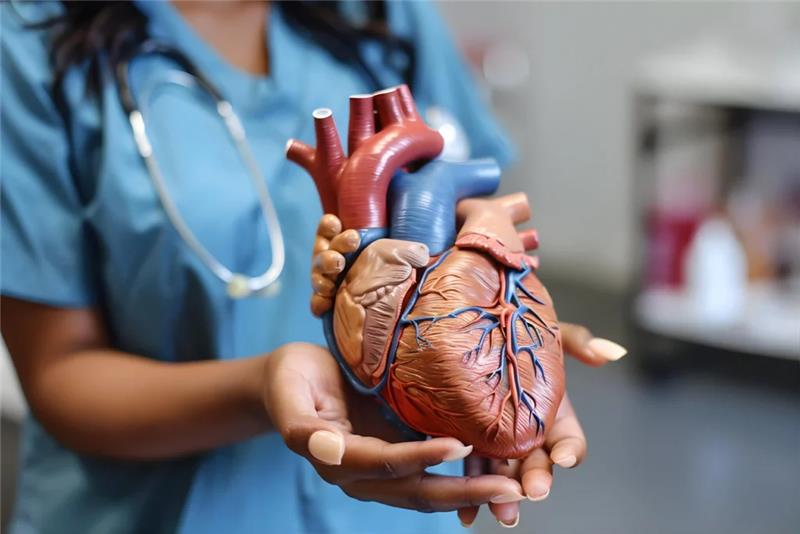
    Cardiology: The Heart of HealthcareCardiology: The Heart of Healthcare

    Cardiology, the branch of medicine focused on the heart and its related structures, is an essential area of medical practice that impacts millions of lives every day. The heart is arguably the most vital organ in the human body, responsible for circulating oxygenated blood to vital organs and tissues. Because the heart serves such a critical role in overall health, the study of its functions, diseases, and treatments is paramount. As heart disease remains a leading cause of death worldwide, understanding cardiology’s role is key to improving public health and extending life expectancy.

    The Importance of the Heart

    The heart is often referred to as the body’s "engine"—its sole function is to pump blood throughout the body. This continuous action ensures the supply of oxygen, nutrients, and hormones, while also removing waste products like carbon dioxide and urea from cells. The heart pumps blood via a complex system of blood vessels: arteries, veins, and capillaries. It consists of four chambers: two atria that receive blood, and two ventricles that pump it out. This cyclical process happens about 70 times a minute in a healthy adult heart, or more than 100,000 times a day.

    When this vital process is interrupted due to a heart condition, it can have serious consequences for the entire body. Cardiologists are the specialists trained to diagnose, treat, and manage a wide range of heart-related issues, from mild conditions to life-threatening diseases.

    Common Heart Diseases and Conditions

    Heart disease is an umbrella term that encompasses various conditions affecting the heart and its blood vessels. These diseases are some of the leading causes of morbidity and mortality around the globe. Common conditions treated by cardiologists include:

    1. Coronary Artery Disease (CAD): One of the most prevalent forms of heart disease, CAD occurs when the arteries that supply blood to the heart become clogged with plaque—a buildup of fat, cholesterol, and other substances. As the arteries narrow, blood flow to the heart decreases, which can cause chest pain, shortness of breath, or even heart attacks. Treatment often involves lifestyle changes, medications, and in some cases, surgical procedures such as angioplasty or bypass surgery.

    2. Heart Failure: Heart failure is a condition where the heart is unable to pump blood effectively, leading to a range of symptoms like fluid retention, difficulty breathing, and fatigue. Although not a sudden event like a heart attack, heart failure is a chronic condition that requires ongoing treatment. Management typically involves medication, lifestyle changes, and in advanced cases, a heart transplant.

    3. Arrhythmias: An arrhythmia refers to an abnormal heart rhythm. It can occur when the electrical signals that regulate the heartbeat become disordered. These irregular rhythms can cause the heart to beat too quickly (tachycardia), too slowly (bradycardia), or erratically. Common arrhythmias include atrial fibrillation and ventricular tachycardia. These conditions may be managed with medications, pacemakers, or even surgical procedures like catheter ablation.

    4. Valvular Heart Disease: The heart contains four valves that control blood flow between its chambers. If one or more valves become damaged or diseased, it can lead to problems like heart failure or arrhythmias. The damage may be caused by aging, infections, or congenital defects. Valve repair or replacement surgeries are common treatments for severe cases.

    5. Hypertension (High Blood Pressure): High blood pressure is one of the most significant risk factors for heart disease. Over time, untreated hypertension can damage the arteries, making the heart work harder, which increases the risk of heart attack, stroke, and kidney failure. Lifestyle modifications and medications are used to control blood pressure and reduce associated risks.

    6. Congenital Heart Defects: These are heart abnormalities present from birth. They can range from minor issues that may resolve over time to severe defects requiring surgical intervention. Pediatric cardiologists specialize in diagnosing and treating congenital heart conditions in children and monitoring their development as they age.

    The Role of Cardiologists

    Cardiologists are trained specialists in the diagnosis, treatment, and prevention of heart disease. They play a critical role in identifying risk factors and providing early intervention to avoid or slow the progression of cardiovascular conditions. Cardiologists utilize a combination of techniques to assess heart health, including:

    • Electrocardiogram (ECG): This test measures the electrical activity of the heart and can identify arrhythmias, heart attacks, and other abnormalities.
    • Echocardiography: This imaging technique uses sound waves to create real-time images of the heart, allowing cardiologists to evaluate its structure and function.
    • Stress Testing: Cardiologists may recommend stress tests to assess how the heart performs under physical exertion, helping to diagnose coronary artery disease and other conditions.
    • Blood Tests: Blood tests can provide valuable information about cholesterol, triglycerides, and other indicators that help assess heart health.

    In addition to diagnosing and treating heart conditions, cardiologists work closely with patients to help manage lifestyle changes, including diet, exercise, and smoking cessation, which are key factors in preventing heart disease.

    Cutting-Edge Advancements in Cardiology

    Recent technological and medical innovations have drastically changed the landscape of cardiology, offering new opportunities for diagnosis, treatment, and patient care. These advancements include:

    1. Cardiac Imaging Technology: Advancements in cardiac imaging, such as 3D echocardiography, cardiac MRI, and CT coronary angiography, provide detailed and accurate images of the heart. These non-invasive imaging techniques allow for early detection of heart disease and monitoring of ongoing conditions.

    2. Minimally Invasive Procedures: The field of interventional cardiology has evolved significantly, allowing many heart conditions to be treated through minimally invasive methods. Procedures such as coronary angioplasty, stent placement, and valve replacement (TAVR) have reduced the need for open-heart surgery, allowing for faster recovery and fewer complications.

    3. Wearable Devices: Advances in wearable health technology have provided patients with the ability to monitor their 心律不正 health in real time. Devices like smartwatches and fitness trackers can now detect abnormal heart rhythms and alert users to potential issues, allowing for early intervention.

    4. Artificial Intelligence (AI): The integration of AI into cardiology is poised to revolutionize the field. AI can help process vast amounts of data to identify patterns and predict outcomes, making it a valuable tool in diagnosis and treatment planning. AI algorithms can analyze medical imaging, EKG readings, and even genetic data to assist cardiologists in providing more personalized and precise care.

    5. Gene Therapy and Stem Cell Research: While still in its early stages, research in gene therapy and stem cell treatments has the potential to repair damaged heart tissue or regenerate heart cells, offering hope for patients with chronic heart conditions or heart failure.

    Prevention: A Key Focus in Cardiovascular Health

    As with many diseases, prevention plays a crucial role in reducing the risk of heart disease. Cardiologists emphasize the importance of a healthy lifestyle in maintaining heart health. Key preventive measures include:

    • Regular Exercise: Cardiologists recommend at least 150 minutes of moderate-intensity physical activity per week to strengthen the heart, improve circulation, and maintain a healthy weight.
    • Healthy Diet: A balanced diet rich in fruits, vegetables, whole grains, lean proteins, and healthy fats can help reduce the risk of heart disease. Reducing salt intake and avoiding trans fats and processed foods are important for managing cholesterol and blood pressure.
    • Smoking Cessation: Smoking is one of the leading causes of heart disease. Quitting smoking can significantly lower the risk of developing coronary artery disease, stroke, and other cardiovascular problems.
    • Stress Management: Chronic stress can raise blood pressure and contribute to heart disease. Practices like meditation, deep breathing, and yoga are helpful in reducing stress and improving heart health.
    • Regular Checkups: Routine checkups and screenings for blood pressure, cholesterol levels, and diabetes can help identify potential heart risks early, allowing for timely intervention.

    The Future of Cardiology

    The future of cardiology is promising, with ongoing research and technological advancements paving the way for more effective treatments and preventative measures. Personalized medicine, driven by genetic testing and AI, is set to revolutionize how cardiologists approach patient care, offering tailored treatment plans for individuals based on their genetic makeup, lifestyle, and health status.

    Additionally, regenerative medicine, including stem cell therapy, could one day allow cardiologists to repair damaged heart tissue, potentially reducing the need for heart transplants and improving long-term outcomes for patients with heart failure.

    Conclusion

    Cardiology is a vital and dynamic field that continues to evolve with new technologies and treatments, offering hope to millions affected by heart disease. With advancements in imaging, minimally invasive procedures, and AI, the future of cardiology holds great promise for improving diagnosis, treatment, and prevention. By prioritizing heart health through lifestyle changes and regular checkups, individuals can reduce their risk of heart disease and lead healthier, longer lives. Cardiologists will continue to play a crucial role in shaping the future of cardiovascular care, ensuring the heart remains strong at the center of our health for generations to come.