
PCOS Supplements are becoming increasingly popular among people looking for natural ways to support their health while managing Polycystic Ovary Syndrome (PCOS). Many individuals use supplements to help with concerns such as hormone balance, irregular periods, insulin sensitivity, acne, hair changes, and overall wellness.
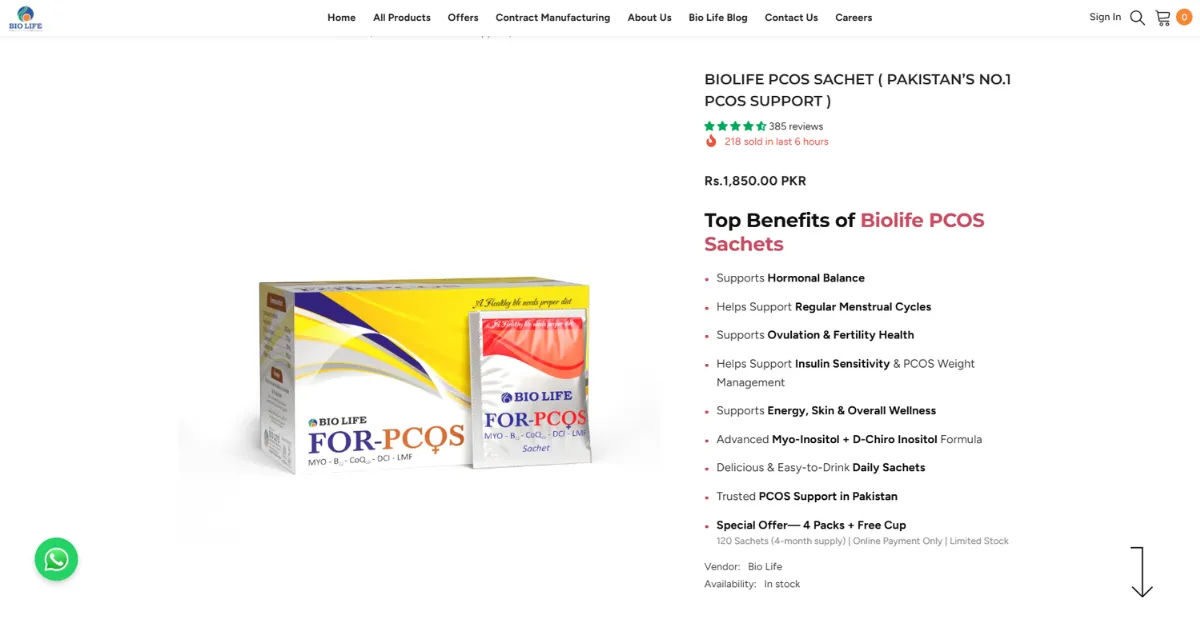
However, an important question often comes up: do PCOS Supplements have side effects?The answer is yes, some supplements may cause side effects, especially when taken incorrectly, used in high doses, or combined with certain medications. While many supplements contain natural ingredients, “natural” does not always mean completely risk-free.
Every body responds differently, and factors such as age, existing health conditions, diet, and medication use can influence how a supplement affects a person.Understanding possible side effects can help individuals make safer choices. This guide explains common ingredients found in PCOS Supplements, their potential benefits, possible risks, and important safety considerations before adding them to a daily routine.
PCOS and Why Supplements Are Used
Polycystic Ovary Syndrome is a common hormonal condition that affects many women during their reproductive years. It is often linked with hormonal imbalance, insulin resistance, irregular ovulation, and increased levels of androgens (male hormones).
PCOS can cause several symptoms, including:
- Irregular or missed periods
- Difficulty with weight management
- Acne and oily skin
- Excess facial or body hair growth
- Hair thinning
- Mood changes
- Fertility challenges
Because PCOS affects different people in different ways, treatment approaches are often personalized. Lifestyle changes, medical treatments, and nutritional support may all play a role in managing symptoms.
Many people turn to PCOS Supplements because they want additional support alongside healthy eating, exercise, and medical advice. Supplements may contain vitamins, minerals, herbs, or other nutrients that are believed to support specific areas affected by PCOS.
However, supplements are not a guaranteed cure for PCOS. They are usually intended to provide nutritional support and may work differently for each individual.
Common Ingredients Found in PCOS Supplements
Different products contain different combinations of ingredients. Understanding these ingredients can help explain why side effects may occur.
Inositol
Inositol is one of the most commonly used ingredients in PCOS support products. It is a vitamin-like compound that may help improve insulin sensitivity and support hormone regulation.
Some people tolerate inositol well, but possible side effects may include:
- Stomach discomfort
- Nausea
- Gas
- Diarrhea
- Dizziness
These effects are usually mild and may improve as the body adjusts. Taking the recommended amount and following product instructions can help reduce discomfort.
Vitamin D
Vitamin D deficiency is common among many people, including those with PCOS. Some supplements include vitamin D because it supports immune health, bones, and overall wellness.
However, taking excessive amounts of vitamin D can lead to problems such as:
- Nausea
- Vomiting
- Weakness
- Increased thirst
- High calcium levels
It is important not to take very high doses without professional guidance.
Omega-3 Fatty Acids
Omega-3 fatty acids are often included because they may support heart health and help manage inflammation.
Possible side effects can include:
- Fishy aftertaste
- Burping
- Upset stomach
- Loose stools
People who take blood-thinning medications should speak with a healthcare professional before using high doses of omega-3 supplements.
Herbal Ingredients
Some PCOS products contain herbs such as cinnamon, spearmint, berberine, or other plant-based ingredients.
Although herbs can provide benefits, they can also interact with medications or cause unwanted effects.
Possible reactions include:
- Digestive problems
- Allergic reactions
- Changes in blood sugar levels
- Changes in blood pressure
Herbal supplements should be treated with the same care as other health products.
Common Side Effects of PCOS Supplements
The side effects of PCOS Supplements depend on the ingredients, dosage, and individual health conditions. Not everyone experiences problems, but some common reactions may occur.
Digestive Issues
Digestive discomfort is one of the most frequently reported side effects. Some ingredients can affect the digestive system, especially when a person starts taking a new supplement.
Possible symptoms include:
- Bloating
- Gas
- Constipation
- Diarrhea
- Stomach cramps
Taking supplements with food may help reduce these issues for some people.
Headaches or Dizziness
Certain nutrients or herbal ingredients may cause headaches or dizziness, particularly when taken in large amounts.
If these symptoms continue, it may be a sign that the supplement is not suitable or that the dosage needs adjustment.
Changes in Blood Sugar
Some supplements are designed to support insulin sensitivity and blood sugar balance. While this can be helpful for some people with PCOS, it may create problems for individuals taking diabetes medication.
A combination of blood sugar-lowering medication and certain supplements may cause blood sugar levels to drop too low.
Symptoms of low blood sugar may include:
- Shaking
- Sweating
- Confusion
- Weakness
- Increased hunger
Anyone using medication for blood sugar control should consult a healthcare provider before adding new supplements.
Allergic Reactions
Although uncommon, allergic reactions can happen. A person may react to herbs, fillers, flavors, or other ingredients in a product.
Signs of an allergic reaction may include:
- Skin rash
- Itching
- Swelling
- Breathing difficulties
Severe allergic symptoms require immediate medical attention.
Factors That Increase the Risk of Side Effects
Not everyone has the same reaction to supplements. Several factors can increase the possibility of experiencing side effects.
Taking Too Many Supplements
Using multiple products at the same time can increase the risk of taking excessive amounts of certain nutrients.
For example, someone may take a multivitamin, a PCOS product, and additional individual vitamins without realizing they are consuming the same ingredients repeatedly.
More supplements do not always mean better results.
Using High Doses
Many people assume that higher doses will provide faster benefits. However, excessive amounts can increase the chance of unwanted effects.
Following recommended dosages is important for safety.
Combining Supplements With Medications
Some supplements can interact with prescription medications. They may affect how medicines work or change how the body processes them.
People taking medication for:
- Diabetes
- Hormonal conditions
- Blood pressure
- Thyroid problems
- Blood clotting
should seek professional advice before starting new supplements.
Choosing Poor Quality Products
The quality of supplements can vary between brands. Some products may contain unnecessary additives, incorrect ingredient amounts, or poor-quality materials.
Choosing trusted manufacturers and reading labels carefully can reduce risks.
Are Natural PCOS Supplements Safer?
Many people believe that natural products are automatically safer than medical treatments. While natural ingredients can be useful, they can still cause side effects.
Plants contain active compounds that can affect the body. For example, some herbs may influence hormones, digestion, or blood sugar levels.
The safety of PCOS Supplements depends on:
- Ingredient quality
- Correct dosage
- Personal health conditions
- Possible medication interactions
A natural product should still be used responsibly.
How to Reduce the Risk of Side Effects
Taking a careful approach can make supplement use safer.
Start With One Supplement
Adding several new supplements at once makes it difficult to identify which product causes a reaction.
Starting with one product allows the body’s response to be monitored.
Follow Recommended Dosages
Avoid increasing the dose without advice. More is not always more effective and may increase risks.
Read Ingredient Labels
Before using any supplement, check:
- Active ingredients
- Dosage amounts
- Added ingredients
- Possible allergens
Understanding what you are taking is an important part of safe use.
Consult a Healthcare Professional
A doctor or qualified healthcare provider can help determine whether a supplement is suitable based on your health history.
Professional guidance is especially important for individuals who:
- Are pregnant or trying to conceive
- Have other medical conditions
- Take prescription medications
- Experience severe PCOS symptoms
When Should You Stop Taking a Supplement?
If a supplement causes concerning symptoms, it may be best to stop using it and seek advice.
Warning signs may include:
- Severe stomach pain
- Persistent vomiting
- Breathing problems
- Unusual bleeding
- Severe allergic reactions
- Extreme dizziness
Mild symptoms may disappear after the body adjusts, but serious reactions should not be ignored.
Can PCOS Supplements Replace Medical Treatment?
PCOS Supplements can provide nutritional support, but they should not replace medical treatment when treatment is needed.
PCOS is a complex condition that may require a combination of approaches, including:
- Balanced nutrition
- Regular physical activity
- Stress management
- Medical treatments
- Hormonal support when prescribed
Supplements may be one part of a broader health plan, but they are not a replacement for professional care.
Choosing the Right PCOS Supplements
Selecting the right product requires careful consideration.
Look for supplements that:
- Clearly list ingredients
- Provide proper dosage information
- Come from reliable manufacturers
- Avoid unnecessary additives
- Match your personal health needs
A supplement that works well for one person may not produce the same results for another.
Conclusion
PCOS Supplements can be helpful for some individuals who want additional nutritional support while managing PCOS symptoms. However, like all health products, they may have side effects depending on the ingredients, dosage, and individual response.
Common side effects may include digestive problems, headaches, dizziness, allergic reactions, or changes in blood sugar levels. The risk of side effects can increase when supplements are taken in excessive amounts, combined with medications, or used without understanding the ingredients.
The safest approach is to choose high-quality products, follow recommended doses, and consider professional advice when necessary. Supplements should be viewed as a supportive option rather than a complete solution for PCOS management.
Understanding both the potential benefits and risks allows individuals to make informed decisions. With proper knowledge and responsible use, PCOS Supplements may become a useful part of a balanced approach toward managing PCOS and supporting overall health.