
A virtual number has become an important tool in today’s digital world, especially when it comes to online registrations and account creation.
A virtual number allows users to receive SMS or OTP codes without using a physical SIM card, which makes online signup faster and more flexible.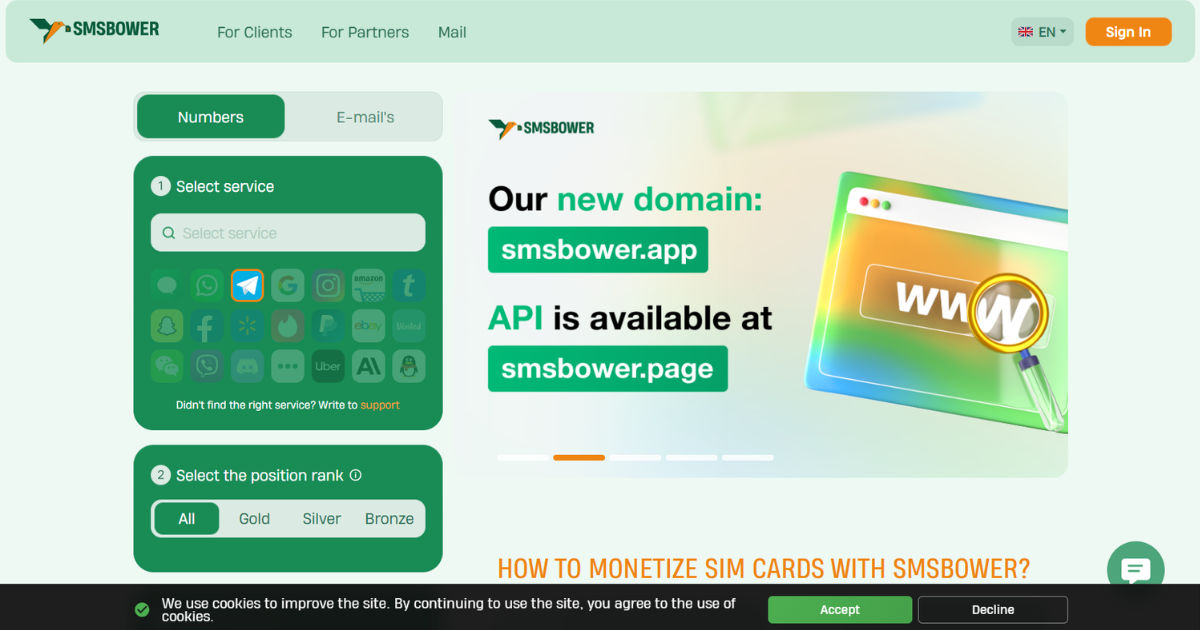
Many people prefer a virtual number during signup because it helps protect privacy, reduce spam, and simplify verification processes.
In modern platforms, a virtual number is often used as an alternative to traditional phone numbers, especially when users do not want to share personal contact details. As online services continue to grow, the use of a virtual number for signup is becoming more common across social media, apps, and websites.
This guide explains in detail why a virtual number is used online for signup, how it works, and what benefits and limitations it brings.
What is a Virtual Number?
A virtual number is a telephone number that is not tied to a physical SIM card or a fixed location. Instead, a virtual number works through the internet using cloud-based systems or telecom servers. This allows users to receive calls and messages online without needing a traditional mobile connection.
In many cases, a virtual number is used for receiving OTPs (One-Time Passwords) during account registration. When you sign up for a platform, the system sends a code to your virtual number, which you can access through an app or online dashboard.
A virtual number can be local, international, temporary, or permanent depending on the service provider. Businesses and individuals both rely on a virtual number for different purposes such as communication, verification, and customer support.
Because a virtual number is flexible and easy to activate, it has become a popular choice for online signup processes.
Why Virtual Numbers Are Used for Online Signup
One of the main reasons a virtual number is used for signup is convenience. Instead of purchasing a SIM card, users can quickly get a virtual number online and use it instantly for verification.
A virtual number also helps platforms verify that a user is real without requiring sensitive personal data. Many websites require phone verification to prevent fake accounts, and a virtual number helps complete this step efficiently.
Another reason a virtual number is widely used is accessibility. Users from different countries can use a virtual number even if they do not have a local SIM card. This makes global registration easier.
In addition, a virtual number is often used by people who want to separate personal communication from online accounts. Instead of using their real number, they use a virtual number to maintain boundaries between private life and online activity.
For developers, marketers, and testers, a virtual number is also useful for creating multiple accounts without using personal phone numbers repeatedly.
Privacy Protection and Data Safety
Privacy is one of the strongest reasons people choose a virtual number for online signup. In today’s digital environment, personal phone numbers are often linked to identity, banking, and social media accounts. Sharing a real number everywhere can increase risks of data exposure.
A virtual number helps protect users from revealing their actual identity. When you use a virtual number during signup, your personal number remains hidden from websites and third-party services.
This reduces the chances of data leaks or unwanted contact. If a platform experiences a security breach, only the virtual number is exposed, not your real phone number.
A virtual number is also useful for maintaining anonymity when signing up for new apps or services. Many users prefer a virtual number when trying unknown platforms so they can avoid giving away personal details.
In addition, a virtual number helps reduce tracking. Since many online systems link phone numbers to user behavior, using a virtual number can reduce long-term tracking across platforms.
Reducing Spam and Unwanted Messages
Spam messages are a common problem when using real phone numbers online. After signing up on multiple websites, users often receive promotional messages, scams, or irrelevant notifications.
A virtual number helps solve this issue by acting as a buffer between the user and the platform. When you use a virtual number, spam messages go to that number instead of your personal SIM.
This means your real phone stays clean and free from unnecessary messages. Many users create a separate virtual number specifically for registrations to avoid spam entirely.
A virtual number can also be discarded or changed easily. If spam becomes too much, users can simply replace their virtual number with a new one without affecting their personal contact information.
Businesses also use a virtual number to manage customer interactions without exposing internal numbers. This helps keep communication organized and secure.
Global Access and International Signups
One of the biggest advantages of a virtual number is global accessibility. Many websites require phone verification, but not all users have access to international SIM cards.
A virtual number solves this problem by allowing users to select numbers from different countries. For example, someone in Asia can use a virtual number from the US or UK to register on global platforms.
This is especially useful for freelancers, digital marketers, and remote workers who deal with international clients. A virtual number makes it easier to access services that may be restricted to certain regions.
In some cases, users prefer a virtual number because certain apps only work with specific country codes. By using a virtual number, they can bypass these limitations and complete signup successfully.
A virtual number also helps travelers who move between countries. Instead of changing SIM cards, they can rely on a virtual number for consistent online access.
OTP Verification and Account Security
OTP verification is one of the most common uses of a virtual number during signup. When you create an account, the platform sends a one-time password to confirm your identity.
A virtual number receives this OTP just like a regular phone number. The user then enters the code to complete registration.
This method improves security by ensuring that only someone with access to the virtual number can activate the account. Even if someone tries to fake an identity, they cannot complete signup without the OTP sent to the virtual number.
Many services rely on a virtual number system for two-factor authentication. This adds an extra layer of protection for online accounts.
A virtual number is also useful for temporary verification. Once the signup is complete, users may not need to keep the same virtual number active, especially for short-term services.
However, in some cases, keeping the same virtual number is important for account recovery or password resets.
Business and Professional Use of Virtual Numbers
Businesses also rely heavily on a virtual number for managing online signups and customer communication. Companies often use a virtual number to handle multiple registrations without exposing internal contact details.
For customer support systems, a virtual number helps route messages to different departments. This improves efficiency and response time.
Marketing teams use a virtual number to track campaign performance. Each campaign can have its own virtual number, allowing businesses to measure engagement.
Startups often prefer a virtual number because it is cost-effective compared to traditional phone systems. They can scale communication without investing in physical SIM infrastructure.
In addition, a virtual number helps companies maintain professionalism by separating personal and business communication.
Limitations of Virtual Numbers
Although a virtual number offers many benefits, it also has limitations. Some platforms do not accept a virtual number for signup due to security concerns.
Certain services can detect and block a virtual number if it is widely used for spam or fake accounts. This can make registration difficult in some cases.
A virtual number may also depend on internet connectivity. If the service goes offline, users may temporarily lose access to their virtual number messages.
Another limitation is that not all virtual number providers offer long-term reliability. Some numbers are temporary and may expire after a short period.
Users should also be careful when choosing a virtual number provider to ensure security and privacy.
Legal and Ethical Considerations
Using a virtual number is generally legal, but it must be used responsibly. Many platforms allow a virtual number for signup, but they may restrict misuse.
Creating fake accounts using a virtual number can violate terms of service on some websites. Users should understand the rules of each platform before using a virtual number.
Businesses must also follow data protection laws when using a virtual number for customer communication.
Ethically, a virtual number should be used to improve privacy and convenience, not to deceive or manipulate systems.
Future of Virtual Numbers in Online Signup
The future of the virtual number is closely tied to digital transformation. As more services move online, the demand for a virtual number will continue to grow.
Advanced security systems may integrate AI with virtual number verification to reduce fraud and improve authentication accuracy.
In the future, a virtual number may become part of unified digital identity systems, where users manage all signups through one secure profile.
More businesses are expected to adopt virtual number systems for global communication and user onboarding.
As technology improves, a virtual number will likely become faster, more secure, and more widely accepted across platforms.
Conclusion
A virtual number plays an important role in modern online signup systems. It offers privacy, security, global access, and convenience for both individuals and businesses. By using a virtual number, users can protect their personal data, reduce spam, and simplify verification processes.
Despite some limitations, a virtual number continues to grow in popularity due to its flexibility and ease of use. As digital platforms expand, the importance of a virtual number will only increase.
Whether for personal accounts, business communication, or global access, a virtual number has become a key tool in the online world.