Category: Lifestyle & Fashion

Pilates Strength Training Nice: Controlled Power and Balanced ConditioningPilates Strength Training Nice: Controlled Power and Balanced Conditioning

Strength in Nice is often associated with balance, control, and long-term comfort rather than force. Within this approach, Pilates Nice strength-focused sessions support people who want to build muscle tone while respecting posture and joint health. Pilates strength training Nice develops power through precise, guided movement that connects the whole body.

Across Nice, France, strength-oriented Pilates attracts those who prefer structured conditioning without impact. Studios along the French Riviera design programs that support stability, endurance, and daily movement confidence.

Pilates Strength Training Nice France: Building Power with Control

Pilates strength training Nice France centers on controlled resistance and alignment. Exercises engage deep stabilizing muscles alongside larger muscle groups, creating balanced development. Instructors guide movement carefully so strength grows without tension.

This method supports Pilates conscience corporelle Nice by encouraging awareness of how muscles work together. Many practitioners appreciate strength gains that feel supportive rather than heavy. Estimated prices depend on class format and equipment use.

Pilates Studio Nice Focused on Strength Development

A Pilates studio Nice offering strength training creates an environment where precision guides effort. Studios may offer mat-based strength sessions or reformer Pilates Nice designed to challenge muscles through resistance and repetition.

These settings suit people seeking Pilates wellness Nice with a focus on functional strength. Estimated pricing reflects instructor expertise and studio resources.

Pilates Mat Nice for Strength Training

Pilates mat Nice strength classes use body weight to build endurance and control. Exercises emphasize sustained engagement, especially through the core, hips, and shoulders. This format supports strength without external load.

Mat-based strength sessions appeal to those who value simplicity and clarity. Estimated prices are generally more accessible than equipment-based classes.

Reformer Pilates Nice and Resistance Strength

Reformer Pilates Nice plays a key role in strength training through adjustable resistance. Springs allow instructors to increase challenge while supporting alignment. This makes reformer strength sessions suitable for varied experience levels.

Studios offering studio à reformer Pilates Nice formats often design strength-focused classes with steady pacing. Estimated pricing is higher due to equipment use and setup.

Group Pilates Nice for Strength Conditioning

Group Pilates Nice strength classes offer shared motivation within a structured format. Participants move through sequences that build endurance and stability together. Group energy supports consistency while instructors maintain technical focus.

These classes suit those who enjoy routine and shared effort. Estimated prices are typically lower than private strength sessions.

Private Pilates Nice for Strength Goals

Pilates private lessons Nice focused on strength allow tailored progression. Instructors adjust resistance, tempo, and exercise selection to match individual capacity. This format suits those with specific strength goals or movement concerns.

Private strength sessions may include mat and reformer work. Estimated pricing reflects one-to-one attention.

Pilates Strength Training Nice and Core Stability

Pilates strength training Nice places strong emphasis on core stability. Exercises connect abdominal support with back and hip strength, supporting balanced movement. This approach benefits posture and daily activity.

Participants often notice improved control during lifting and movement transitions. Estimated prices align with the structured nature of these programs.

Strength-Focused Pilates Across Nice Neighborhoods

Strength-oriented Pilates Nice classes are available throughout the city, including Pilates Jean Médecin Nice, Pilates Place Massena, and Pilates reformer Nice Port areas. Pilates Vieux Nice studios also offer strength-focused formats in calm settings.

This accessibility allows people to choose studios close to home or work. Estimated pricing remains fairly consistent across neighborhoods.

Pilates Strength Training and the French Riviera Lifestyle

Pilates strength training Nice fits naturally into the Pilates French Riviera lifestyle, where active living meets mindful recovery. Many practitioners combine strength sessions with outdoor movement such as walking or swimming.

Pilates Côte d’Azur studios welcome locals and visitors seeking balanced conditioning. Estimated prices reflect the region’s emphasis on quality instruction.

Choosing the Right Pilates Strength Training Nice Program

Selecting a strength-focused Pilates Nice program depends on comfort, experience, and goals. Some people prefer Nice Pilates Center formats, while others choose authentic Pilates Nice or dynamic reformer Pilates Nice styles.

Studios often share helpful services and tips such as:

  • Strength-focused mat and reformer classes

  • Small groups with clear technical guidance

  • Private sessions tailored to strength goals

  • Programs supporting posture and endurance

Estimated pricing is usually discussed during initial contact.

How to Choose Colors for Eid Collection Dresses?How to Choose Colors for Eid Collection Dresses?

Eid is a time of joy, celebration, and of course, fashion. Every year, fashion enthusiasts eagerly await the new Eid Collection, looking for the perfect outfit that reflects their personality, style, and the festive spirit. One of the most crucial elements of selecting the perfect dress is the choice of colors. Colors have the power to influence mood, enhance appearance, and make a statement.

Choosing the right colors for your Eid Collection dresses can elevate your look, making you stand out in the crowd while staying true to the festive vibe.

In this comprehensive guide, we will explore the art of selecting colors for your Eid Collection dresses. From understanding color psychology to coordinating with accessories, this guide will ensure you make informed choices for a stunning Eid wardrobe.

Color Psychology

Before diving into fashion trends, it’s essential to understand color psychology. Different colors evoke different emotions and perceptions. When choosing colors for your Eid Collection dresses, consider the message you want to convey:

  • Red: Red is bold, energetic, and passionate. Wearing red can make you feel confident and empowered. It is perfect for statement pieces or accent details in your Eid Collection dresses.

  • Blue: Blue symbolizes calmness, trust, and serenity. Lighter shades of blue are refreshing, while darker tones convey sophistication. Blue is a safe yet stylish choice for Eid.

  • Green: Green represents growth, harmony, and prosperity. Since Eid is a celebration of blessings and new beginnings, green dresses naturally align with the festive spirit.

  • Yellow: Yellow exudes happiness and optimism. A bright yellow Eid Collection dress can make you appear cheerful and lively.

  • Pink: Pink reflects softness, femininity, and warmth. From pastel pinks to vibrant magentas, pink shades are perfect for elegant and graceful Eid outfits.

  • White: White symbolizes purity, simplicity, and freshness. It is ideal for a minimalist look and can be paired with colorful accessories to create a balanced outfit.

  • Black: Black is classic, chic, and versatile. While not traditionally associated with Eid, it can be used for formal evening events and sophisticated ensembles.

Understanding these basic psychological effects will help you choose colors that resonate with your mood and style while ensuring your Eid Collection stands out.

Considering Skin Tone and Undertones

Not every color suits every skin tone. Choosing colors for your Eid Collection dresses that complement your skin tone can enhance your natural beauty and confidence.

  • Fair Skin: Soft pastels, mint green, peach, and baby pink look flattering on fair skin. Bright colors like red and royal blue also create a striking contrast.

  • Medium Skin: Medium or olive skin tones pair well with earthy colors such as coral, teal, turquoise, mustard, and berry shades.

  • Dark Skin: Rich and vibrant colors like emerald green, deep purple, gold, and bright yellow enhance darker skin tones. Dark-skinned individuals can pull off bold shades effortlessly.

Knowing your undertone is equally important. Undertones are classified as warm, cool, or neutral:

  • Warm Undertone: Opt for warm shades like orange, gold, warm reds, and yellows.

  • Cool Undertone: Cool undertones look best in blue, emerald, lavender, and soft pink.

  • Neutral Undertone: If you have a neutral undertone, you are lucky to pull off both warm and cool shades.

By considering both skin tone and undertones, your Eid Collection dresses will naturally flatter your complexion, ensuring you look radiant.

Trends in Eid Collection Colors

Fashion trends play a significant role in color choices for Eid. Every year, designers release curated color palettes for their Eid Collection. Keeping up with trends ensures your wardrobe feels modern and stylish. Some popular trends include:

  • Pastel Shades: Soft pastel colors like mint, blush, lavender, and baby blue are consistently popular for Eid, giving a delicate and elegant look.

  • Vibrant Hues: Vibrant colors like fuchsia, lime green, and turquoise are trendy among younger audiences who enjoy bold statements.

  • Metallic Accents: Gold, silver, and bronze are often used in embroidery and embellishments, complementing subtle base colors.

  • Ombre and Gradient Dresses: Gradual color changes create a dramatic effect and are a trend in many Eid Collections.

Balancing trendy colors with your personal style ensures you stay fashionable without compromising comfort or self-expression.

Matching Colors with Fabric Types

The type of fabric in your Eid Collection dresses can influence how colors appear. Fabrics absorb and reflect light differently, affecting color perception:

  • Silk and Satin: These fabrics reflect light beautifully, making bright and deep colors like royal blue, emerald, and ruby look luxurious.

  • Chiffon and Georgette: Light fabrics like chiffon suit pastel and soft shades, creating an airy and flowy appearance.

  • Cotton and Lawn: These fabrics are ideal for casual Eid looks. Bright colors and floral patterns often look fresh and lively on cotton.

  • Velvet: Velvet is perfect for winter Eid events. Deep colors such as maroon, navy, and forest green appear rich and opulent.

Choosing the right color for your dress fabric ensures that the outfit appears vibrant and visually appealing.

Considering the Occasion and Time of Day

Eid celebrations can range from daytime gatherings to evening parties. Your choice of colors should align with the occasion:

  • Daytime Events: Light and pastel colors work best for daytime celebrations. Shades like peach, mint, and pastel yellow appear fresh under natural sunlight.

  • Evening Celebrations: Deep and rich colors such as maroon, navy, and emerald green suit evening events, adding elegance and sophistication.

  • Formal Gatherings: For formal Eid dinners or parties, metallics and jewel tones are ideal as they exude glamour.

  • Casual Celebrations: For casual meet-ups, bright and cheerful colors can create a fun and lively impression.

Understanding the context of the event helps in selecting the perfect colors for your Eid Collection dresses.

Complementary and Contrasting Color Combinations

Knowing how to pair colors can make a simple dress extraordinary. Here are some strategies:

  • Monochromatic Scheme: Using variations of the same color adds depth and sophistication. For example, a light pink dress with darker pink embroidery.

  • Complementary Colors: Colors opposite each other on the color wheel create vibrant contrast. A turquoise dress with coral accents can be eye-catching.

  • Analogous Colors: Using colors next to each other on the color wheel creates harmony. Shades like green and yellow-green work well together.

  • Neutral Pairing: Pairing bold colors with neutrals like white, beige, or black balances the outfit without overwhelming the eye.

Mastering color combinations allows you to experiment while maintaining aesthetic appeal.

Accessorizing with Colors

Accessories play a crucial role in enhancing your Eid Collection dresses. Jewelry, handbags, shoes, and scarves can either complement or contrast your outfit:

  • Jewelry: Gold and silver jewelry pair well with most Eid Collection dresses. For pastel dresses, subtle rose gold or pearl accessories are elegant.

  • Scarves and Dupattas: Using a complementary color for a dupatta can elevate a plain dress. For example, a soft peach dress with a turquoise dupatta creates a stunning look.

  • Shoes and Handbags: Neutral tones like beige, nude, and metallic shades are versatile. Brightly colored shoes can also act as statement pieces for simpler dresses.

By considering accessories, your color choices will harmonize seamlessly from head to toe.

Cultural Significance of Colors

Colors hold cultural and religious significance, especially during Eid. Being mindful of this can help you select respectful yet stylish colors:

  • Green: Symbolizes Islam and prosperity, making it a popular choice in Eid Collection dresses.

  • White: Represents purity and spirituality, perfect for traditional Eid outfits.

  • Gold and Yellow: Associated with joy, happiness, and festivity, enhancing celebratory vibes.

  • Red: Traditionally worn for celebrations, symbolizing energy, love, and positivity.

Balancing traditional symbolism with modern trends ensures your colors are both meaningful and fashionable.

Tips for Choosing Colors

Here are practical tips to choose the best colors for your Eid Collection dresses:

  1. Test Before Buying: Hold the fabric against your skin in natural light to see how the color complements your tone.

  2. Consider the Season: Lighter shades are suitable for warmer climates, while darker, richer tones are ideal for cooler evenings.

  3. Mix and Match: Don’t shy away from experimenting with contrasting or complementary colors.

  4. Prioritize Comfort: Choose colors that make you feel confident and comfortable, not just trendy.

  5. Think Long-Term: Select colors that you can style in multiple ways beyond Eid.

These tips ensure your color choices are practical, stylish, and personally flattering.

Conclusion

Choosing colors for your Eid Collection dresses is both an art and a science. By understanding color psychology, considering skin tones and undertones, following trends, matching fabrics, and thinking about accessories and cultural significance, you can select outfits that are both stylish and meaningful. Remember, Eid is a celebration of joy, and the right colors can enhance your festive spirit while reflecting your personality. Experiment with different shades, trust your instincts, and prioritize comfort and confidence. Whether you choose pastels, vibrant hues, or classic neutrals, the perfect color can transform your Eid outfit from ordinary to extraordinary.

With this guide, selecting colors for your Eid Collection dresses becomes a joyful experience, allowing you to shine bright and celebrate in style. Make every color choice count and create memories that are as colorful as your attire.

Inside The Mind Of A Jewellery Designer: Creativity Meets CraftsmanshipInside The Mind Of A Jewellery Designer: Creativity Meets Craftsmanship

A jewellery designer s mind is a space where imagination and preciseness live side by side, constantly influencing one another. Every piece begins long before metallic element is shaped or pink topaz bracelet stones are set; it starts as a touch, a retentiveness, or an idea drawn from the earth around them. Nature, architecture, culture, and personal experiences all quietly inform the designer s visual sensation. In this unhealthy workshop, creativeness is not disorganized but guided, transforming purloin stirring into concepts that can one day be worn and precious.

The creative process often starts with reflexion. A jewellery designer notices modest inside information others might overlook the curve of a leaf, the symmetricalness of a important edifice, or the play of get off on water. These observations are mentally stored and later translated into sketches that act as Bridges between imagination and reality. Sketching allows designers to explore proportion, poise, and flow while left over free to experiment. At this represent, creativity leads, but craft is already submit, subtly shaping what is possible.

As ideas evolve, the intriguer begins to consider materials, a step where artistry meets technical foul knowledge. Gold, silver medal, Pt, and gemstones each have unique properties that involve how a plan can be executed. A intriguer must sympathise how metals respond to heat, hale, and time, and how stones interact with unhorse and scene styles. This cognition does not determine creative thinking; instead, it refines it, allowing the designer to make privy choices that heighten both smasher and durability.

Craftsmanship becomes more spectacular as designs move from wallpaper to production. Whether a piece is oversewn or created with the help of Bodoni font technology, precision is requirement. Measurements must be demand, settings procure, and finishes unflawed. The intriguer s mind shifts from broad-brimmed productive thought process to focused problem-solving, ensuring that every detail aligns with the master copy vision. This poise between productive freedom and technical foul check defines true jewelry plan.

Emotional storytelling is another mighty element within a jewellery designer s work. Jewellery often Marks substantial moments engagements, anniversaries, achievements, or personal milestones. Designers an awareness that their creations may become symbols of love, personal identity, or retention. This responsibleness influences their decisions, encouraging designs that are dateless yet personal, expressive yet patient.

Modern jewelry designers also think about innovation and tradition at the same time. While many draw stirring from real techniques and styles, they also squeeze new tools such as data processor-aided plan and sophisticated gem thinning methods. Inside the designer s mind, custom provides a institution, while innovation opens new inventive paths. This talks between past and submit allows jewellery to germinate without losing its taste and creator roots.

The final examination stages of macrocosm demand patience and attention. Polishing, stone scene, and final exam inspections require a calm, focussed mindset. A jewellery designer understands that the smallest imperfectness can regard the stallion patch. This honor for detail reflects the deep between the designer and their work, where craft is not just a science but a form of train and congratulate.

Ultimately, inside the mind of a jewelry designer is a round-the-clock conversation between creativity and craftsmanship. One fuels resource, while the other gives it form and longevity. Together, they metamorphose raw materials into meaning objects that carry stunner, , and value. Each destroyed piece is more than an accessory; it is the visible leave of an unseen process, shaped by mentation, skill, and passion.

Where to Find Authentic Traditional ClothesWhere to Find Authentic Traditional Clothes

Styling pakistani traditional clothes is both an art and a cultural expression. These timeless outfits carry history, creativity, and elegance—yet they also offer incredible room for personalization. Today, people mix modern fashion with classical South Asian elements, creating looks that feel culturally rooted but still fresh and contemporary.

Whether you wear these outfits daily, for weddings, or only on religious occasions, learning how to style pakistani traditional clothes allows you to express yourself with confidence. In this guide, you’ll explore wardrobe choices, accessories, silhouettes, color ideas, seasonal styling, and much more. By the end, you’ll have a complete understanding of how to create balanced, beautiful outfits that reflect heritage and style.


Understanding Pakistani Traditional Clothing Basics

Why Traditional Clothing Matters

Pakistani fashion is iconic worldwide because of its diversity. From Sindhi embroidery to Punjabi phulkari, Balochi mirror work, and Kashmiri shawls, every region showcases unique craftsmanship. Pakistani traditional clothes are more than outfits—they are cultural stories.

Types of Traditional Outfits

The following pieces make up the foundation of Pakistani wardrobe styling:

  • Shalwar Kameez

  • Saree

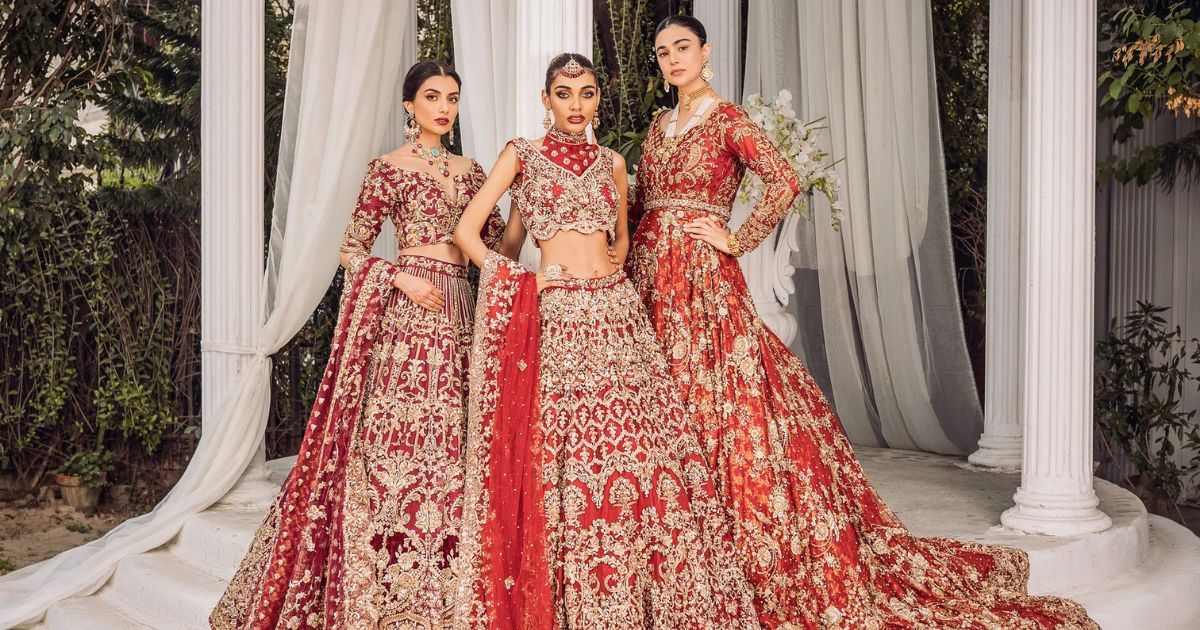
  • Lehenga Choli

  • Anarkali Dress

  • Angrakha

  • Kurta Pajama (Men)

  • Sherwani (Men)

  • Waistcoat Suits (Men)

Each outfit has its own appeal and offers different styling possibilities.


How to Style the Classic Shalwar Kameez

The shalwar kameez is the heart of Pakistani fashion. It’s comfortable, elegant, and completely adaptable to modern trends.

Choose the Right Fit

A good fit is everything. While loose, flowy shalwars are back in style, the kameez length can vary:

  • Long kameez = more traditional

  • Mid-length kameez = trendy and youthful

  • Short kameez = classic early-2000s revival

Play With Sleeves and Necklines

Designers experiment with details to modernize the look:

  • Bell sleeves

  • Pleated cuffs

  • Cut-work sleeves

  • V-neck, boat neck, Balochi neckline

These tiny changes create a big impact.

Select Stylish Dupattas

Dupattas transform a simple outfit:

  • Organza dupatta: elegant and formal

  • Net dupatta: ideal for weddings

  • Chiffon dupatta: lightweight and easy to manage

  • Cotton dupatta: casual and breathable

Printed dupattas paired with solid suits are trending nationwide.


How to Style Sarees in a Pakistani Way

Sarees are timeless and sophisticated. Though more common at formal events, you can style them for both casual and luxury wear.

Fabric Matters

Choose saree fabric based on the occasion:

  • Silk and banarsi = weddings

  • Chiffon = evening events

  • Cotton = daytime and summer

  • Organza = modern and minimalistic

Blouse Designs to Consider

Blouses are now fashion statements:

  • High-neck embroidered blouses

  • Backless or tie-knot blouses

  • Puff sleeves

  • Velvet blouses for winter

Draping Styles

Different drapes create different silhouettes:

  • Classic Nivi drape

  • Front-pallu style

  • Belted saree (modern fusion look)

Paired with the right jewelry, the saree becomes one of the most versatile pakistani traditional clothes.


How to Style Anarkali and Angrakha Outfits

These two silhouettes are favorites for weddings and Eid celebrations.

Anarkali Styling Tips

Anarkali suits create a regal look:

  • Choose silk or chiffon for flow

  • Add statement earrings

  • Wear high heels for a graceful flare

  • Use soft curls or an updo hairstyle

Angrakha Styling Tips

The Angrakha dress reflects Mughal-era elegance:

  • Works beautifully with khussas

  • Pair with a contrasting dupatta

  • Choose side tassels for extra charm

  • Use light jewelry for balance


How to Style Lehenga Choli

Lehengas are festive and glamorous, especially for mehndi and baraat ceremonies.

Pick the Right Lehenga Cut

The shape of your lehenga defines the entire outfit:

  • A-line = classic and flattering

  • Circular lehenga = dramatic flare

  • Mermaid cut = fitted and modern

Choli (Blouse) Designs

Some popular options include:

  • Off-shoulder

  • Boat neck

  • Full sleeves with embroidery

  • Short choli for a trendy look

Dupatta Placement

There are multiple ways to style the dupatta:

  • Draped over the head (traditional)

  • Pinned on one shoulder (modern)

  • Belted around the waist (fusion style)


Accessorizing Pakistani Traditional Clothes

Accessories elevate outfits, completing the look.

Jewelry Choices

Traditional jewelry complements pakistani traditional clothes beautifully:

  • Jhumkas

  • Chandbalis

  • Matha Patti

  • Kundan chokers

  • Pearls

  • Balochi silver jewelry

Mixing modern minimalistic pieces with traditional items adds an interesting blend.

Footwear

Footwear makes a huge difference:

  • Khussa for a traditional touch

  • Kolhapuri sandals for everyday wear

  • Heels for formal events

  • Embroidered flats for comfort

Handbags

Choose bags that match your outfit:

  • Potli bags

  • Clutches

  • Small handbags with mirror work

  • Jute bags for casual summer looks


Modern Fusion Styling Ideas

In recent years, people have been blending Pakistani and Western styles. This creates fresh looks while keeping cultural roots alive.

Western Tops With Traditional Bottoms

  • Crop tops with lehenga skirts

  • Denim jackets with shalwar kameez

  • Formal blazers over long dresses

  • White shirts tucked into embroidered skirts

Mixing Traditional Fabrics With Modern Cuts

  • Velvet jackets with churidar

  • Silk trousers with minimal tops

  • Organza dupatta with plain suits

Belted Dupattas

Adding a belt helps keep the dupatta secure while introducing a trendy element.


Seasonal Styling: Dressing for Weather

Pakistan experiences all four seasons, so your styling should reflect practical comfort.

Summer Styling

Choose breathable fabrics:

  • Lawn

  • Cotton

  • Chiffon

  • Swiss voile

Keep colors light and prints fresh.

Winter Styling

Use warm materials:

  • Velvet suits

  • Wool shawls

  • Pashmina wraps

  • Dark, rich colors

Winter fashion gives a luxurious feel, especially when styling embroidered pakistani traditional clothes.


Color and Fabric Combinations That Work Best

Color Pairings

  • Maroon + gold

  • Black + silver

  • White + multicolor embroidery

  • Pastels + organza

  • Bright yellow + mirror work

Fabric Combinations

  • Silk kameez with chiffon dupatta

  • Cotton suit with lawn dupatta

  • Velvet lehenga with net dupatta

  • Banarsi fabric mixed with plain linen pieces


Styling Men’s Pakistani Traditional Clothes

Men’s fashion is equally rich and diverse.

Kurta Pajama

  • Choose solid colors for a classy look

  • Add a waistcoat for formal wear

  • Embroidered collars create interest

Sherwani

Perfect for weddings:

  • Pair with khussa

  • Wear white churidar pants

  • Add a brooch or pocket square

Men’s Shawls

Woolen shawls or jamawar shawls add elegance, especially in winter.


How to Match Hairstyles With Traditional Outfits

For Women

  • Loose waves for sarees

  • Braids for mehndi looks

  • Sleek bun for formal suits

  • Half-up hairstyle for lehengas

For Men

  • Clean, groomed hair enhances traditional charm

  • Side-parted hairstyles pair well with sherwani


Makeup Tips to Complement Traditional Clothing

Soft Glam for Day Events

  • Nude shades

  • Light highlighter

  • Soft blush

Bold Glam for Weddings

  • Shimmery eyes

  • Winged eyeliner

  • Bold lipstick

Makeup should enhance the beauty of pakistani traditional clothes without overshadowing them.


Cultural and Regional Styling Variations

Pakistani culture offers diverse styles:

Punjabi Style

  • Bright colors

  • Paranda accessories

  • Patiala shalwar

Sindhi Style

  • Mirror work

  • Ajrak prints

  • Heavy embroidery

Balochi Style

  • Thick threadwork

  • Tribal accessories

  • Vibrant shawls

Kashmiri Style

  • Pashmina shawls

  • Detailed tilla work

Each regional influence adds uniqueness to pakistani traditional clothes.


Mix-and-Match Techniques

You don’t always need new outfits—mixing pieces can create fresh looks.

Ideas to Try

  • Pair an old dupatta with a new plain suit

  • Wear contrasting bottoms

  • Add statement jewelry

  • Use belts and jackets

This makes your wardrobe more versatile and cost-effective.


Shopping Tips for Pakistani Traditional Clothes

Fabric Quality Matters

Always check:

  • Thread count

  • Embroidery finishing

  • Dye consistency

Choose Outfits That Suit Your Body Type

Every silhouette works differently:

  • A-line suits for balanced proportions

  • Straight pants for a taller look

  • Sharara for festive events

Stick to Colors You Love

Confidence comes from comfort.


How to Care for Traditional Clothing

Proper care extends the life of your wardrobe.

Washing Tips

  • Handwash delicate fabrics

  • Avoid strong detergents

  • Dry in shade

Storage

  • Use garment bags

  • Fold net and chiffon with tissue paper

  • Keep velvet in cool, dry places


Conclusion

Styling pakistani traditional clothes is a beautiful journey that connects you to culture, heritage, and personal expression. Whether you prefer the simplicity of a cotton shalwar kameez or the glamour of a heavily embroidered lehenga, every outfit reflects identity and creativity. With the right accessories, colors, fabrics, and modern-fusion elements, you can transform any traditional outfit into a uniquely stylish look.

This complete guide shows you how to dress with confidence—whether for festivals, weddings, everyday wear, or fashion experiments. The beauty of pakistani traditional clothes lies in their flexibility. You can honor tradition while embracing modern fashion, creating timeless looks that feel authentic and stylish at the same time.

Lampara De Sal Del Himalaya Para RelajaciónLampara De Sal Del Himalaya Para Relajación


La lámpara de sal del Himalaya para relajación se ha convertido en un objeto muy popular en los hogares modernos lámpara de sal propiedades. Este accesorio no solo ofrece una iluminación suave, sino que también se asocia con importantes efectos positivos para la salud y el equilibrio emocional. Las lámparas de sal naturales están hechas de cristales de sal extraídos de las montañas del Himalaya, por lo que las convierte en una opción muy apreciada para quienes buscan elementos orgánicos en sus hogares.

El gran beneficio que se menciona sobre estas lámparas es su capacidad para purificar el ambiente. Cuando, las lámparas de sal del Himalaya emiten iones negativos que ayudan a neutralizar las impurezas en el aire. Lo que provoca esto, se dice que mejora la calidad del aire, lo que puede ser beneficioso para personas con problemas respiratorios como asma.

Por si fuera poco de las lámparas de sal del Himalaya es su capacidad para inducir relajación los sentidos. La luz suave que emiten crea un ambiente tranquilo y acogedor en cualquier habitación. Este tipo de luz tiene un efecto calmante y puede ayudar a reducir los niveles de estrés y ansiedad. Por lo tanto, colocar una lámpara de sal en el dormitorio o en la sala de estar puede contribuir a un espacio más sereno.

Otro punto fuerte de las lámparas de sal del Himalaya es su aspecto decorativo. Estas lámparas no solo son funcionales, sino que también son un excelente complemento para cualquier estilo decorativo. Con sus formas irregulares y colores que varían entre el rosa, el naranja y el ámbar, estas lámparas se adaptan perfectamente a interiores modernos. Además, su luz suave crea una atmósfera acogedora que puede transformar cualquier habitación en un espacio más relajante.

Aunque es cierto que existen varios mitos sobre las lámparas de sal del Himalaya, los estudios científicos que respaldan sus beneficios para la salud aún son limitados. Mientras que algunas personas afirman que estas lámparas mejoran su salud, la evidencia científica sobre los efectos directos de los iones negativos sigue siendo insuficiente. A pesar de esto, muchos usuarios reportan sentirse más tranquilos cuando están cerca de ellas.

Es importante destacar, las lámparas de sal del Himalaya requieren ciertos cuidados para preservar su funcionalidad. Dado que hechas de sal natural, estas lámparas son sensibles a la humedad, lo que puede corroer su forma o superficie. Es recomendable situarlas en un lugar seco y evitar que se mojen. En caso de que se moja, se debe secar con un paño suave para evitar posibles daños.

En cuanto a el valor, las lámparas de sal del Himalaya pueden variar dependiendo del tamaño, la calidad y la marca. Aunque algunos modelos son asequibles, otros pueden ser más caros debido a su tamaño o las características especiales, como un diseño más elaborado o una base de madera fina. A pesar de los costos, muchas personas consideran que los beneficios de estas lámparas justifican el gasto.

Para concluir, las lámparas de sal del Himalaya representan una excelente opción para quienes buscan mejorar la calidad del aire, crear un ambiente relajante y añadir un toque decorativo a su hogar. A pesar de las preocupaciones sobre los efectos concretos sobre la salud, el entorno que generan estas lámparas es indiscutiblemente acogedor y relajante. Además, su aspecto único las convierte en una pieza decorativa ideal para cualquier ambiente.