
Styling pakistani traditional clothes is both an art and a cultural expression. These timeless outfits carry history, creativity, and elegance—yet they also offer incredible room for personalization. Today, people mix modern fashion with classical South Asian elements, creating looks that feel culturally rooted but still fresh and contemporary.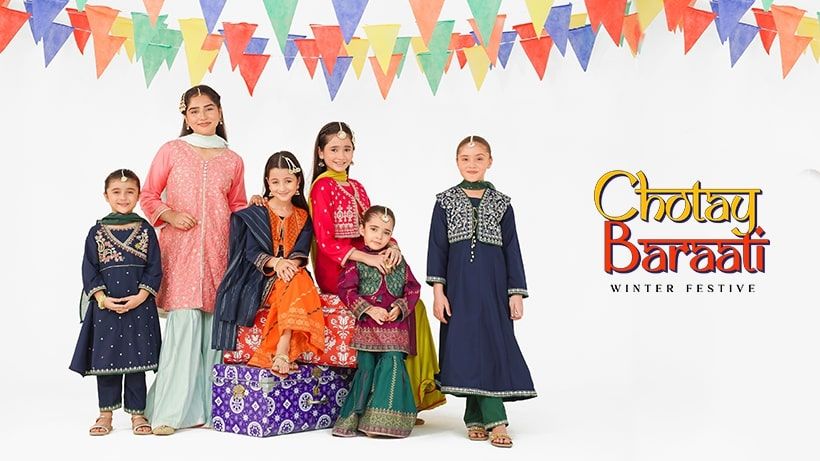
Whether you wear these outfits daily, for weddings, or only on religious occasions, learning how to style pakistani traditional clothes allows you to express yourself with confidence. In this guide, you’ll explore wardrobe choices, accessories, silhouettes, color ideas, seasonal styling, and much more. By the end, you’ll have a complete understanding of how to create balanced, beautiful outfits that reflect heritage and style.
Understanding Pakistani Traditional Clothing Basics
Why Traditional Clothing Matters
Pakistani fashion is iconic worldwide because of its diversity. From Sindhi embroidery to Punjabi phulkari, Balochi mirror work, and Kashmiri shawls, every region showcases unique craftsmanship. Pakistani traditional clothes are more than outfits—they are cultural stories.
Types of Traditional Outfits
The following pieces make up the foundation of Pakistani wardrobe styling:
-
Shalwar Kameez
-
Saree
-
Lehenga Choli
-
Anarkali Dress
-
Angrakha
-
Kurta Pajama (Men)
-
Sherwani (Men)
-
Waistcoat Suits (Men)
Each outfit has its own appeal and offers different styling possibilities.
How to Style the Classic Shalwar Kameez
The shalwar kameez is the heart of Pakistani fashion. It’s comfortable, elegant, and completely adaptable to modern trends.
Choose the Right Fit
A good fit is everything. While loose, flowy shalwars are back in style, the kameez length can vary:
-
Long kameez = more traditional
-
Mid-length kameez = trendy and youthful
-
Short kameez = classic early-2000s revival
Play With Sleeves and Necklines
Designers experiment with details to modernize the look:
-
Bell sleeves
-
Pleated cuffs
-
Cut-work sleeves
-
V-neck, boat neck, Balochi neckline
These tiny changes create a big impact.
Select Stylish Dupattas
Dupattas transform a simple outfit:
-
Organza dupatta: elegant and formal
-
Net dupatta: ideal for weddings
-
Chiffon dupatta: lightweight and easy to manage
-
Cotton dupatta: casual and breathable
Printed dupattas paired with solid suits are trending nationwide.
How to Style Sarees in a Pakistani Way
Sarees are timeless and sophisticated. Though more common at formal events, you can style them for both casual and luxury wear.
Fabric Matters
Choose saree fabric based on the occasion:
-
Silk and banarsi = weddings
-
Chiffon = evening events
-
Cotton = daytime and summer
-
Organza = modern and minimalistic
Blouse Designs to Consider
Blouses are now fashion statements:
-
High-neck embroidered blouses
-
Backless or tie-knot blouses
-
Puff sleeves
-
Velvet blouses for winter
Draping Styles
Different drapes create different silhouettes:
-
Classic Nivi drape
-
Front-pallu style
-
Belted saree (modern fusion look)
Paired with the right jewelry, the saree becomes one of the most versatile pakistani traditional clothes.
How to Style Anarkali and Angrakha Outfits
These two silhouettes are favorites for weddings and Eid celebrations.
Anarkali Styling Tips
Anarkali suits create a regal look:
-
Choose silk or chiffon for flow
-
Add statement earrings
-
Wear high heels for a graceful flare
-
Use soft curls or an updo hairstyle
Angrakha Styling Tips
The Angrakha dress reflects Mughal-era elegance:
-
Works beautifully with khussas
-
Pair with a contrasting dupatta
-
Choose side tassels for extra charm
-
Use light jewelry for balance
How to Style Lehenga Choli
Lehengas are festive and glamorous, especially for mehndi and baraat ceremonies.
Pick the Right Lehenga Cut
The shape of your lehenga defines the entire outfit:
-
A-line = classic and flattering
-
Circular lehenga = dramatic flare
-
Mermaid cut = fitted and modern
Choli (Blouse) Designs
Some popular options include:
-
Off-shoulder
-
Boat neck
-
Full sleeves with embroidery
-
Short choli for a trendy look
Dupatta Placement
There are multiple ways to style the dupatta:
-
Draped over the head (traditional)
-
Pinned on one shoulder (modern)
-
Belted around the waist (fusion style)
Accessorizing Pakistani Traditional Clothes
Accessories elevate outfits, completing the look.
Jewelry Choices
Traditional jewelry complements pakistani traditional clothes beautifully:
-
Jhumkas
-
Chandbalis
-
Matha Patti
-
Kundan chokers
-
Pearls
-
Balochi silver jewelry
Mixing modern minimalistic pieces with traditional items adds an interesting blend.
Footwear
Footwear makes a huge difference:
-
Khussa for a traditional touch
-
Kolhapuri sandals for everyday wear
-
Heels for formal events
-
Embroidered flats for comfort
Handbags
Choose bags that match your outfit:
-
Potli bags
-
Clutches
-
Small handbags with mirror work
-
Jute bags for casual summer looks
Modern Fusion Styling Ideas
In recent years, people have been blending Pakistani and Western styles. This creates fresh looks while keeping cultural roots alive.
Western Tops With Traditional Bottoms
-
Crop tops with lehenga skirts
-
Denim jackets with shalwar kameez
-
Formal blazers over long dresses
-
White shirts tucked into embroidered skirts
Mixing Traditional Fabrics With Modern Cuts
-
Velvet jackets with churidar
-
Silk trousers with minimal tops
-
Organza dupatta with plain suits
Belted Dupattas
Adding a belt helps keep the dupatta secure while introducing a trendy element.
Seasonal Styling: Dressing for Weather
Pakistan experiences all four seasons, so your styling should reflect practical comfort.
Summer Styling
Choose breathable fabrics:
-
Lawn
-
Cotton
-
Chiffon
-
Swiss voile
Keep colors light and prints fresh.
Winter Styling
Use warm materials:
-
Velvet suits
-
Wool shawls
-
Pashmina wraps
-
Dark, rich colors
Winter fashion gives a luxurious feel, especially when styling embroidered pakistani traditional clothes.
Color and Fabric Combinations That Work Best
Color Pairings
-
Maroon + gold
-
Black + silver
-
White + multicolor embroidery
-
Pastels + organza
-
Bright yellow + mirror work
Fabric Combinations
-
Silk kameez with chiffon dupatta
-
Cotton suit with lawn dupatta
-
Velvet lehenga with net dupatta
-
Banarsi fabric mixed with plain linen pieces
Styling Men’s Pakistani Traditional Clothes
Men’s fashion is equally rich and diverse.
Kurta Pajama
-
Choose solid colors for a classy look
-
Add a waistcoat for formal wear
-
Embroidered collars create interest
Sherwani
Perfect for weddings:
-
Pair with khussa
-
Wear white churidar pants
-
Add a brooch or pocket square
Men’s Shawls
Woolen shawls or jamawar shawls add elegance, especially in winter.
How to Match Hairstyles With Traditional Outfits
For Women
-
Loose waves for sarees
-
Braids for mehndi looks
-
Sleek bun for formal suits
-
Half-up hairstyle for lehengas
For Men
-
Clean, groomed hair enhances traditional charm
-
Side-parted hairstyles pair well with sherwani
Makeup Tips to Complement Traditional Clothing
Soft Glam for Day Events
-
Nude shades
-
Light highlighter
-
Soft blush
Bold Glam for Weddings
-
Shimmery eyes
-
Winged eyeliner
-
Bold lipstick
Makeup should enhance the beauty of pakistani traditional clothes without overshadowing them.
Cultural and Regional Styling Variations
Pakistani culture offers diverse styles:
Punjabi Style
-
Bright colors
-
Paranda accessories
-
Patiala shalwar
Sindhi Style
-
Mirror work
-
Ajrak prints
-
Heavy embroidery
Balochi Style
-
Thick threadwork
-
Tribal accessories
-
Vibrant shawls
Kashmiri Style
-
Pashmina shawls
-
Detailed tilla work
Each regional influence adds uniqueness to pakistani traditional clothes.
Mix-and-Match Techniques
You don’t always need new outfits—mixing pieces can create fresh looks.
Ideas to Try
-
Pair an old dupatta with a new plain suit
-
Wear contrasting bottoms
-
Add statement jewelry
-
Use belts and jackets
This makes your wardrobe more versatile and cost-effective.
Shopping Tips for Pakistani Traditional Clothes
Fabric Quality Matters
Always check:
-
Thread count
-
Embroidery finishing
-
Dye consistency
Choose Outfits That Suit Your Body Type
Every silhouette works differently:
-
A-line suits for balanced proportions
-
Straight pants for a taller look
-
Sharara for festive events
Stick to Colors You Love
Confidence comes from comfort.
How to Care for Traditional Clothing
Proper care extends the life of your wardrobe.
Washing Tips
-
Handwash delicate fabrics
-
Avoid strong detergents
-
Dry in shade
Storage
-
Use garment bags
-
Fold net and chiffon with tissue paper
-
Keep velvet in cool, dry places
Conclusion
Styling pakistani traditional clothes is a beautiful journey that connects you to culture, heritage, and personal expression. Whether you prefer the simplicity of a cotton shalwar kameez or the glamour of a heavily embroidered lehenga, every outfit reflects identity and creativity. With the right accessories, colors, fabrics, and modern-fusion elements, you can transform any traditional outfit into a uniquely stylish look.
This complete guide shows you how to dress with confidence—whether for festivals, weddings, everyday wear, or fashion experiments. The beauty of pakistani traditional clothes lies in their flexibility. You can honor tradition while embracing modern fashion, creating timeless looks that feel authentic and stylish at the same time.