Author: Millermarker

The Evolution of Adult Toys: A Modern Guide to Pleasure and WellnessThe Evolution of Adult Toys: A Modern Guide to Pleasure and Wellness

Adult toys have come a long way from being a taboo subject to becoming a mainstream part of sexual wellness. With advanced technology, improved designs, and a focus on health and satisfaction, the market for realistic adult dolls toys has expanded significantly. Whether used for solo pleasure or to enhance intimacy with a partner, these products are designed to improve overall well-being and sexual satisfaction.

In this article, we’ll explore the evolution, benefits, and types of adult toys, along with expert tips for selecting the right products to suit individual needs.

A Brief History of Adult Toys

1. Ancient Beginnings

Sexual pleasure has been an essential part of human life for centuries. The earliest known adult toys date back to ancient civilizations, including Greece, Egypt, and China. Artifacts made of stone, wood, and even leather were used to enhance pleasure.

2. The Rise of Industrial Manufacturing

With the industrial revolution, the production of adult toys shifted from handmade objects to mass-produced products. The 20th century saw the emergence of vibrators, initially marketed as medical devices for “hysteria” treatment in women.

3. The Sexual Revolution and Beyond

The 1960s and 70s brought about a major shift in attitudes toward sexuality, leading to the commercialization of adult toys. Companies like Hitachi and other innovators introduced widely popular vibrators and dildos, breaking social barriers.

4. The Modern Era: Innovation and Inclusivity

Today, adult toys are no longer viewed as niche items but rather essential tools for self-care, intimacy, and pleasure. With the rise of e-commerce, accessibility has improved, and the industry continues to embrace inclusivity, sustainability, and cutting-edge technology.

The Benefits of Adult Toys

1. Enhancing Sexual Pleasure

Adult toys allow individuals to explore their desires, discover new sensations, and achieve more fulfilling orgasms. They also help individuals become more aware of their bodies and what they enjoy.

2. Strengthening Relationships

Couples can use adult toys to add variety, excitement, and new experiences to their intimate moments. These products encourage communication about desires and boundaries, ultimately fostering deeper connections.

3. Promoting Sexual Health

Some adult toys, such as kegel exercisers, help strengthen pelvic floor muscles, improving bladder control and sexual function. Regular sexual activity also contributes to stress relief and improved mood.

4. Encouraging Self-Discovery

Using adult toys allows individuals to understand their bodies, preferences, and turn-ons. This self-awareness often leads to more confidence in intimate relationships.

Popular Types of Adult Toys

1. Vibrators

Vibrators are one of the most well-known and widely used adult toys. They come in various forms, including:

  • Bullet Vibrators: Small and discreet, perfect for external stimulation.

  • Wand Massagers: Powerful and versatile for full-body pleasure.

  • Rabbit Vibrators: Dual-action toys that stimulate both internal and external areas.

2. Dildos

Dildos are designed for penetration and come in a range of materials, sizes, and textures. Some are ultra-realistic, while others offer unique shapes for enhanced pleasure.

2. The Rise of Industrial Manufacturing

0

Toys designed for men focus on pleasure and stamina enhancement. These include:

  • Masturbation Sleeves: Simulate realistic sensations for a heightened experience.

  • Prostate Massagers: Designed to stimulate the prostate for intense pleasure.

  • Cock Rings: Improve erection strength and prolong pleasure.

2. The Rise of Industrial Manufacturing

1

Anal stimulation is becoming more popular, leading to specialized products like:

  • Butt Plugs: Available in various sizes for different experience levels.

  • Anal Beads: Designed for a gradual, pleasurable experience.

  • Prostate Stimulators: Enhance male pleasure with targeted vibrations.

2. The Rise of Industrial Manufacturing

2

For those interested in exploring kink and fantasy, BDSM toys include:

  • Handcuffs and Restraints: Introduce elements of control and submission.

  • Impact Play Tools: Such as paddles, whips, and floggers.

  • Blindfolds and Gags: Enhance sensory deprivation for heightened pleasure.

2. The Rise of Industrial Manufacturing

3

Modern technology has revolutionized adult toys, offering features like:

  • Remote-Controlled Vibrators: Great for long-distance couples.

  • Wearable Toys: Discreet pleasure in public or private settings.

  • AI-Integrated Devices: Customizable stimulation based on personal preferences.

Choosing the Right Adult Toy

2. The Rise of Industrial Manufacturing

4

It’s important to consider whether you prefer internal or external stimulation, specific vibration settings, or unique sensations.

2. The Rise of Industrial Manufacturing

5

Always choose body-safe materials such as medical-grade silicone, stainless steel, or glass. Avoid products containing phthalates and other harmful chemicals.

2. The Rise of Industrial Manufacturing

6

If discretion is important, look for toys with quiet motors that provide strong yet subtle vibrations.

2. The Rise of Industrial Manufacturing

7

Rechargeable toys are more eco-friendly and convenient, while battery-operated options may be more affordable but require frequent replacements.

Maintenance and Care of Adult Toys

2. The Rise of Industrial Manufacturing

8

Clean your toys before and after each use with warm water and a mild soap or toy cleaner to prevent bacteria buildup.

2. The Rise of Industrial Manufacturing

9

Store toys in a dry, dust-free environment, preferably in a storage pouch or container to maintain cleanliness.

3. The Sexual Revolution and Beyond

0

Regularly inspect your toys for damage or wear. Damaged toys should be replaced to avoid irritation or potential health risks.

The Future of Adult Toys

3. The Sexual Revolution and Beyond

1

With a growing focus on sustainability, companies are developing biodegradable and recyclable materials for adult toys.

3. The Sexual Revolution and Beyond

2

Manufacturers are creating gender-inclusive and disability-friendly designs, ensuring accessibility for all users.

3. The Sexual Revolution and Beyond

3

The rise of smart technology is leading to hyper-personalized and immersive sexual experiences.

Conclusion

Adult toys have transformed from niche products into essential tools for self-exploration, intimacy, and well-being. Whether you’re a beginner or an experienced user, finding the right toy can enhance pleasure, boost confidence, and strengthen relationships. With continued innovation and a focus on inclusivity, the future of adult toys is brighter than ever. Take the time to explore, experiment, and discover what works best for you!


Boat / Boating Licence: Your Essential Guide for Safe BoatingBoat / Boating Licence: Your Essential Guide for Safe Boating

Boating provides a unique combination of adventure, relaxation, and connection with nature. From cruising along rivers to exploring coastal waters, boating is a popular activity for millions of people worldwide. However, before you take control of a vessel, it is crucial to understand the importance of a Boat or Boating Licence. A licence ensures that operators are legally authorized, properly trained, and equipped with the knowledge to navigate safely.


Understanding a Boating Licence

A Boating Licence is an official certification that permits individuals to operate boats legally. It confirms that the holder has received proper training in navigation, safety protocols, and emergency procedures. Licensing requirements vary depending on the country, type of vessel, and intended use. Motorized boats, for example, almost always require a licence due to their power and speed potential.

Possessing a boating licence is not just about compliance with the law. It demonstrates responsibility, improves safety awareness, and can provide benefits when obtaining insurance or participating in boating events.


Types of Boat Licences

Boat licences are tailored to different vessels and purposes:

  • Recreational Boating Licence: Designed for leisure activities such as fishing, cruising, or family trips.

  • Commercial Boating Licence: Required for professional operations including charters, tours, or freight transport.

  • Personal Watercraft (PWC) Licence: Specific to jet skis and other small motorized watercraft.

  • International Certificate of Competence (ICC): Recognized internationally, allowing operators to navigate in foreign waters.

Choosing the right licence ensures that operators are properly trained for their specific boating activity and vessel type.


Who Should Obtain a Boating Licence?

A licence is mandatory in most countries for individuals who:

  • Operate motorized vessels over a certain engine size or speed.

  • Use boats for commercial purposes.

  • Navigate in protected or regulated waterways.

Even if it is not required, obtaining a licence is recommended for all boaters. It increases safety, fosters responsible behavior, and provides confidence on the water.


Steps to Get a Boating Licence

Obtaining a boating licence generally involves:

  1. Boating Safety Training – Learn rules, regulations, and emergency procedures.

  2. Written Examination – Test your knowledge of boating laws and safe practices.

  3. Practical Assessment – Demonstrate competence in handling a boat on water.

  4. Application and Fees – Submit the necessary documentation and pay licensing fees.

  5. Receive Licence – Once approved, you are officially authorized to operate your vessel.

Completing these steps ensures that you are prepared for a safe and responsible boating experience.


Boating Safety Tips

While a licence ensures knowledge of boating rules, practical safety is equally important. Life jackets should always be worn, and boats should be equipped with emergency tools like flares, radios, and fire extinguishers. Checking weather conditions, avoiding alcohol, and adhering to speed limits are essential for safe navigation. Following these practices protects everyone on the water and creates a safer boating environment.


Licence Renewal

Boating licences often have a set validity period and must be renewed periodically. Renewal may require refresher courses or updated assessments to keep operators informed about new safety regulations and navigation rules. Maintaining a current 船牌課程 ensures continued legal compliance and improves overall safety on the water.


Conclusion

A Boat / Boating Licence is a vital requirement for anyone who wants to enjoy boating responsibly. It ensures legal compliance, builds confidence, and equips operators with the knowledge to handle vessels safely. Whether for recreational or commercial purposes, obtaining a licence is the first step toward a secure and enjoyable boating experience. Enroll in certified courses, complete the necessary training, and secure your licence to make the most of every adventure on the water.

The Vital Role of the SIM Card: Connecting the World in the Palm of Your HandThe Vital Role of the SIM Card: Connecting the World in the Palm of Your Hand

In the age of smartphones, mobile apps, and constant connectivity, we often overlook the small but crucial component that makes it all possible: the SIM card. The Subscriber Identity Module card, a tiny chip inserted into mobile devices, serves as the gateway to accessing cellular networks, enabling us to make calls, send messages, and use data. Despite its size, the SIM card is the backbone of mobile communication, playing a significant role in enabling global connectivity.

In this article, we will delve into the importance of 長者電話 plan cards, how they work, their evolution, and what the future holds for this unassuming but indispensable piece of technology.

What Is a SIM Card?

A SIM card is a small, removable chip that stores the essential data needed to access a mobile network. The chip is inserted into mobile phones, tablets, smartwatches, and other connected devices. It acts as the digital "identity card" of the user, enabling the device to connect to a network and provide a range of mobile services, from voice calls and text messages to internet browsing and data exchange.

The SIM card stores a variety of information, including:

  • Subscriber Identity: A unique IMSI (International Mobile Subscriber Identity) is stored on the SIM card, which is used to identify and authenticate users on a mobile network.
  • Network Information: The SIM card contains the information needed to connect your device to the correct mobile network and access services.
  • Encryption Keys: To protect user privacy, the SIM card stores encryption keys that safeguard the communication between the mobile device and the carrier network.

In essence, the SIM card enables your device to communicate with your mobile carrier’s infrastructure and is the critical link between your phone and the broader mobile network.

How SIM Cards Work

The SIM card performs several important functions that make it essential for mobile communication:

  1. Authentication: The SIM card helps the network identify and authenticate the user when the device connects to a mobile carrier’s system. Each SIM card is uniquely linked to a subscriber's account, ensuring that only authorized users have access to the services.

  2. Connection to the Mobile Network: When you turn on your device, the SIM card communicates with the mobile network to establish a connection. This allows the phone to make calls, send text messages, and use mobile data. The SIM card essentially acts as the gateway to accessing network services.

  3. Security: One of the most important roles of a SIM card is to protect user data. The SIM card uses encryption keys to secure voice calls, text messages, and data. This encryption prevents third parties from intercepting communications, ensuring that sensitive information remains private.

  4. Roaming: When traveling internationally, the SIM card enables you to use your device in different countries by swapping out the current SIM with a local one. This allows you to access more affordable local services while maintaining connectivity.

The Evolution of SIM Cards

Since their introduction in the early 1990s, SIM cards have undergone a significant transformation. From their large, bulky beginnings to their current compact and efficient design, SIM cards have adapted to the changing needs of mobile technology. Here is a look at the evolution of SIM cards:

  1. Standard SIM: The original SIM card, measuring 25mm x 15mm, was the first iteration introduced with GSM (Global System for Mobile Communications) networks. It was the standard size for mobile phones for many years but eventually became outdated as phones became smaller and more compact.

  2. Micro SIM: In 2003, the micro SIM was introduced, measuring 15mm x 12mm. This smaller version of the SIM card became popular with smartphones like the iPhone 4, which required a more compact card to fit into the slimmer design.

  3. Nano SIM: The nano SIM, introduced in 2012, is the smallest SIM card available today, measuring just 12.3mm x 8.8mm. The nano SIM is now the standard for most smartphones, allowing manufacturers to design even slimmer and more compact devices without sacrificing functionality.

  4. eSIM: The latest evolution in SIM technology is the eSIM (embedded SIM). Unlike traditional SIM cards, eSIMs are integrated directly into the device’s hardware and are not removable. eSIM technology allows users to activate and switch between mobile carriers and plans digitally, without the need to swap out physical cards. This innovation is paving the way for future devices, including wearables, connected cars, and more.

Why Are SIM Cards So Important?

Though small in size, the SIM card is essential to modern mobile connectivity. Here’s why SIM cards continue to be critical:

  1. Global Mobility: One of the main advantages of SIM cards is that they make it easy to stay connected while traveling. With a SIM card, users can access mobile networks across the globe, either by using international roaming services or by swapping to a local SIM card for cheaper rates. This ability to access affordable local services ensures that users stay connected no matter where they are.

  2. Device Flexibility: SIM cards make it simple to transfer your mobile service from one device to another. If you upgrade your phone, simply move your SIM card to the new device, and your number, contacts, and service plan travel with you. This portability allows for seamless transitions between devices.

  3. Security: The SIM card also enhances security. By using encryption to secure communications, SIM cards prevent unauthorized parties from accessing your voice calls, text messages, or internet data. If your phone is lost or stolen, you can lock the SIM with a PIN code to ensure that others cannot access your information.

  4. Dual SIM Capability: Many modern smartphones come with dual SIM functionality, which allows users to insert two SIM cards in one device. This is especially useful for people who want to separate work and personal numbers or for frequent travelers who wish to keep a local SIM card while maintaining their home number.

The Future of SIM Cards: The Rise of eSIM Technology

The next frontier in SIM card technology is the eSIM, which is gradually replacing traditional SIM cards in newer devices. eSIM technology offers a variety of advantages over its physical counterparts:

  1. Remote Activation: One of the key benefits of eSIM is that it allows users to activate their mobile plans remotely, without needing to insert a physical SIM card. This makes switching carriers and plans easier than ever before, especially for international travelers or those who want to manage multiple plans on the same device.

  2. Space Efficiency: Because eSIMs are embedded directly into devices, they take up less space than traditional SIM cards. This allows manufacturers to create smaller, sleeker devices with more room for other features, such as additional sensors or larger batteries.

  3. Multiple Profiles: eSIM technology allows users to store multiple mobile carrier profiles on a single device. This feature is ideal for people who travel internationally and want to switch between different carriers or data plans without having to swap physical SIM cards.

  4. IoT Integration: As the Internet of Things (IoT) continues to expand, eSIMs are becoming increasingly important. Connected devices, such as wearables, smart appliances, and even cars, are all adopting eSIM technology to streamline connectivity and reduce the need for physical SIM cards.

Conclusion

The SIM card may seem like a small and simple piece of technology, but its impact on global communication cannot be overstated. As the gateway to mobile networks, SIM cards enable everything from basic phone calls to internet browsing and secure data transmission. Over the years, SIM cards have evolved to meet the demands of modern mobile technology, with the advent of eSIM technology set to redefine how we connect to mobile networks in the future.

Cardiology: The Heart of HealthcareCardiology: The Heart of Healthcare

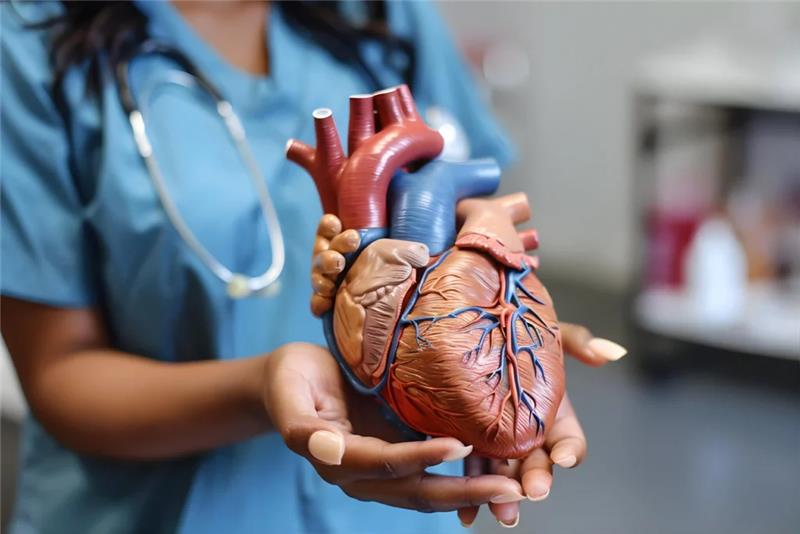
Cardiology, the branch of medicine focused on the heart and its related structures, is an essential area of medical practice that impacts millions of lives every day. The heart is arguably the most vital organ in the human body, responsible for circulating oxygenated blood to vital organs and tissues. Because the heart serves such a critical role in overall health, the study of its functions, diseases, and treatments is paramount. As heart disease remains a leading cause of death worldwide, understanding cardiology’s role is key to improving public health and extending life expectancy.

The Importance of the Heart

The heart is often referred to as the body’s "engine"—its sole function is to pump blood throughout the body. This continuous action ensures the supply of oxygen, nutrients, and hormones, while also removing waste products like carbon dioxide and urea from cells. The heart pumps blood via a complex system of blood vessels: arteries, veins, and capillaries. It consists of four chambers: two atria that receive blood, and two ventricles that pump it out. This cyclical process happens about 70 times a minute in a healthy adult heart, or more than 100,000 times a day.

When this vital process is interrupted due to a heart condition, it can have serious consequences for the entire body. Cardiologists are the specialists trained to diagnose, treat, and manage a wide range of heart-related issues, from mild conditions to life-threatening diseases.

Common Heart Diseases and Conditions

Heart disease is an umbrella term that encompasses various conditions affecting the heart and its blood vessels. These diseases are some of the leading causes of morbidity and mortality around the globe. Common conditions treated by cardiologists include:

  1. Coronary Artery Disease (CAD): One of the most prevalent forms of heart disease, CAD occurs when the arteries that supply blood to the heart become clogged with plaque—a buildup of fat, cholesterol, and other substances. As the arteries narrow, blood flow to the heart decreases, which can cause chest pain, shortness of breath, or even heart attacks. Treatment often involves lifestyle changes, medications, and in some cases, surgical procedures such as angioplasty or bypass surgery.

  2. Heart Failure: Heart failure is a condition where the heart is unable to pump blood effectively, leading to a range of symptoms like fluid retention, difficulty breathing, and fatigue. Although not a sudden event like a heart attack, heart failure is a chronic condition that requires ongoing treatment. Management typically involves medication, lifestyle changes, and in advanced cases, a heart transplant.

  3. Arrhythmias: An arrhythmia refers to an abnormal heart rhythm. It can occur when the electrical signals that regulate the heartbeat become disordered. These irregular rhythms can cause the heart to beat too quickly (tachycardia), too slowly (bradycardia), or erratically. Common arrhythmias include atrial fibrillation and ventricular tachycardia. These conditions may be managed with medications, pacemakers, or even surgical procedures like catheter ablation.

  4. Valvular Heart Disease: The heart contains four valves that control blood flow between its chambers. If one or more valves become damaged or diseased, it can lead to problems like heart failure or arrhythmias. The damage may be caused by aging, infections, or congenital defects. Valve repair or replacement surgeries are common treatments for severe cases.

  5. Hypertension (High Blood Pressure): High blood pressure is one of the most significant risk factors for heart disease. Over time, untreated hypertension can damage the arteries, making the heart work harder, which increases the risk of heart attack, stroke, and kidney failure. Lifestyle modifications and medications are used to control blood pressure and reduce associated risks.

  6. Congenital Heart Defects: These are heart abnormalities present from birth. They can range from minor issues that may resolve over time to severe defects requiring surgical intervention. Pediatric cardiologists specialize in diagnosing and treating congenital heart conditions in children and monitoring their development as they age.

The Role of Cardiologists

Cardiologists are trained specialists in the diagnosis, treatment, and prevention of heart disease. They play a critical role in identifying risk factors and providing early intervention to avoid or slow the progression of cardiovascular conditions. Cardiologists utilize a combination of techniques to assess heart health, including:

  • Electrocardiogram (ECG): This test measures the electrical activity of the heart and can identify arrhythmias, heart attacks, and other abnormalities.
  • Echocardiography: This imaging technique uses sound waves to create real-time images of the heart, allowing cardiologists to evaluate its structure and function.
  • Stress Testing: Cardiologists may recommend stress tests to assess how the heart performs under physical exertion, helping to diagnose coronary artery disease and other conditions.
  • Blood Tests: Blood tests can provide valuable information about cholesterol, triglycerides, and other indicators that help assess heart health.

In addition to diagnosing and treating heart conditions, cardiologists work closely with patients to help manage lifestyle changes, including diet, exercise, and smoking cessation, which are key factors in preventing heart disease.

Cutting-Edge Advancements in Cardiology

Recent technological and medical innovations have drastically changed the landscape of cardiology, offering new opportunities for diagnosis, treatment, and patient care. These advancements include:

  1. Cardiac Imaging Technology: Advancements in cardiac imaging, such as 3D echocardiography, cardiac MRI, and CT coronary angiography, provide detailed and accurate images of the heart. These non-invasive imaging techniques allow for early detection of heart disease and monitoring of ongoing conditions.

  2. Minimally Invasive Procedures: The field of interventional cardiology has evolved significantly, allowing many heart conditions to be treated through minimally invasive methods. Procedures such as coronary angioplasty, stent placement, and valve replacement (TAVR) have reduced the need for open-heart surgery, allowing for faster recovery and fewer complications.

  3. Wearable Devices: Advances in wearable health technology have provided patients with the ability to monitor their 心律不正 health in real time. Devices like smartwatches and fitness trackers can now detect abnormal heart rhythms and alert users to potential issues, allowing for early intervention.

  4. Artificial Intelligence (AI): The integration of AI into cardiology is poised to revolutionize the field. AI can help process vast amounts of data to identify patterns and predict outcomes, making it a valuable tool in diagnosis and treatment planning. AI algorithms can analyze medical imaging, EKG readings, and even genetic data to assist cardiologists in providing more personalized and precise care.

  5. Gene Therapy and Stem Cell Research: While still in its early stages, research in gene therapy and stem cell treatments has the potential to repair damaged heart tissue or regenerate heart cells, offering hope for patients with chronic heart conditions or heart failure.

Prevention: A Key Focus in Cardiovascular Health

As with many diseases, prevention plays a crucial role in reducing the risk of heart disease. Cardiologists emphasize the importance of a healthy lifestyle in maintaining heart health. Key preventive measures include:

  • Regular Exercise: Cardiologists recommend at least 150 minutes of moderate-intensity physical activity per week to strengthen the heart, improve circulation, and maintain a healthy weight.
  • Healthy Diet: A balanced diet rich in fruits, vegetables, whole grains, lean proteins, and healthy fats can help reduce the risk of heart disease. Reducing salt intake and avoiding trans fats and processed foods are important for managing cholesterol and blood pressure.
  • Smoking Cessation: Smoking is one of the leading causes of heart disease. Quitting smoking can significantly lower the risk of developing coronary artery disease, stroke, and other cardiovascular problems.
  • Stress Management: Chronic stress can raise blood pressure and contribute to heart disease. Practices like meditation, deep breathing, and yoga are helpful in reducing stress and improving heart health.
  • Regular Checkups: Routine checkups and screenings for blood pressure, cholesterol levels, and diabetes can help identify potential heart risks early, allowing for timely intervention.

The Future of Cardiology

The future of cardiology is promising, with ongoing research and technological advancements paving the way for more effective treatments and preventative measures. Personalized medicine, driven by genetic testing and AI, is set to revolutionize how cardiologists approach patient care, offering tailored treatment plans for individuals based on their genetic makeup, lifestyle, and health status.

Additionally, regenerative medicine, including stem cell therapy, could one day allow cardiologists to repair damaged heart tissue, potentially reducing the need for heart transplants and improving long-term outcomes for patients with heart failure.

Conclusion

Cardiology is a vital and dynamic field that continues to evolve with new technologies and treatments, offering hope to millions affected by heart disease. With advancements in imaging, minimally invasive procedures, and AI, the future of cardiology holds great promise for improving diagnosis, treatment, and prevention. By prioritizing heart health through lifestyle changes and regular checkups, individuals can reduce their risk of heart disease and lead healthier, longer lives. Cardiologists will continue to play a crucial role in shaping the future of cardiovascular care, ensuring the heart remains strong at the center of our health for generations to come.

Customized Tee: Personal Touch to Your WardrobeCustomized Tee: Personal Touch to Your Wardrobe

In a world where personal expression is highly valued, customized tees have become an essential fashion trend. Whether it's for a casual day out, a family reunion, a birthday celebration, or a corporate event, a customized tee can elevate your outfit while reflecting your personality, interests, or brand. From unique designs to catchy slogans, customized t-shirts offer a versatile and creative way to stand out. Here's why custom tees are becoming a go-to clothing item for people of all ages.

1. Personalization at Its Best

One of the main appeals of customized tees is the ability to create something uniquely your own. Whether you're designing it for yourself or for a group, custom tees allow you to incorporate your own personal style. You can print anything from a favorite quote, a beloved image, or even a quirky design that resonates with you. With an array of design tools and websites available, anyone can step into the world of custom fashion without needing any professional skills. The possibilities are endless, making each piece a true reflection of the wearer’s individuality.

2. Perfect for Any Occasion

Customized tees are incredibly versatile. They are perfect for birthdays, holidays, sports events, family gatherings, weddings, or even corporate functions. Custom shirts have the ability to make any event more memorable. For example, a family reunion might be more fun when everyone is wearing matching tees with a custom logo or slogan. Similarly, businesses often use 制服設計 shirts as part of their branding strategy for events or giveaways, helping to create a sense of unity and visibility.

3. Quality and Comfort

When it comes to t-shirts, comfort is key. Custom tees are often made from high-quality fabrics like cotton, which ensures both softness and durability. Many printing companies also provide a variety of t-shirt styles, sizes, and colors, so you can find the perfect fit for your design. Whether you prefer a fitted tee or a more relaxed, oversized look, custom t-shirts can be tailored to suit different tastes and body types.

4. The Power of Branding

For businesses, customized tees are an effective way to increase brand awareness. A simple logo or slogan on a well-designed t-shirt can help spread your message to a broader audience. Employees wearing branded tees in public can create an organic form of marketing that encourages word-of-mouth promotion. Additionally, businesses can use these shirts as promotional giveaways, creating a lasting connection with customers.

5. Environmentally Friendly Options

With growing concerns about environmental impact, many customized tee makers now offer eco-friendly options. Organic cotton, bamboo, and recycled materials are just some of the sustainable fabrics that can be used for custom tees. By choosing eco-conscious materials, you not only create a personalized garment but also contribute to a healthier planet.

6. Gift-Giving Made Easy

Customized tees also make thoughtful and unique gifts. Rather than opting for a generic store-bought gift, a custom tee is a perfect way to show someone you put thought into their present. Whether it's a design that reflects their interests or an inside joke between friends, custom t-shirts can add a personal touch to any occasion. For example, gifting a tee with a funny slogan or a custom image for a friend can be both sentimental and stylish.

7. A Trend That Will Never Go Out of Style

Fashion trends come and go, but personalized t-shirts have stood the test of time. They can be styled in numerous ways, from casual streetwear looks to more polished outfits when paired with jackets or skirts. The ongoing trend of individuality in fashion ensures that customized tees will continue to hold relevance, providing a timeless way to express yourself.

8. How to Design Your Custom Tee

Designing a custom tee can be as simple or as intricate as you want. Online platforms like Printful, Teespring, and Custom Ink make it easy to upload your designs or create them from scratch with built-in design tools. You can add text, images, or even create your own artwork. Once your design is ready, you can choose from a variety of fabrics, sizes, and colors to bring your creation to life.

Some tips for designing your custom tee:

  • Keep it simple: A clean, bold design often has the most impact.
  • Choose high-quality graphics: Ensure your images or logos are high-resolution for the best print quality.
  • Play with colors: Choose colors that complement each other and make your design pop.
  • Think about the fit: A well-designed shirt looks even better when it fits just right.

Conclusion

In a world where fashion is increasingly about expressing who you are, customized tees provide the perfect canvas to do so. Whether you're making a bold statement, promoting a brand, or creating lasting memories with a personalized gift, a customized tee is an affordable and fun way to showcase your style and personality. With endless options for design, quality materials, and versatility, customized tees continue to be a favorite choice for those looking to make a statement through their wardrobe.