Author: Millermarker

The Power of HR Systems in Enhancing Organizational Agility and AdaptabilityThe Power of HR Systems in Enhancing Organizational Agility and Adaptability

In today’s rapidly changing business landscape, organizational agility and adaptability are key to success. The ability to respond to shifting market conditions, evolving customer demands, and emerging technologies is more critical than ever. At the core of this transformation is the need for human resources (HR) departments to adapt quickly and efficiently. One of the most powerful tools enabling organizations to achieve this is the implementation of HR systems.

HR systems, once viewed as mere administrative tools, have become integral to strategic decision-making, workforce optimization, and overall organizational agility. By automating routine tasks, providing real-time data insights, and enabling more flexible, responsive HR practices, HR systems empower businesses to stay ahead of the curve and adapt to new challenges. This article explores how HR systems can enhance organizational agility, foster resilience, and enable companies to navigate the future of work with confidence.

What Are HR Systems?

HR systems, including Human Resource Information Systems (HRIS), Human Resource Management Systems (HRMS), and Talent Management Systems (TMS), are software platforms designed to streamline and automate HR functions such as recruitment, employee data management, payroll, performance management, and benefits administration. By centralizing HR processes and providing digital tools for workforce management, these systems reduce administrative burdens and enable HR departments to focus on strategic initiatives that drive business growth.

However, the role of HR systems goes far beyond administrative efficiency. In the context of organizational agility, these systems enable businesses to manage talent more effectively, react to change faster, and foster a culture of continuous improvement and innovation.

The Link Between Organizational Agility and HR Systems

Organizational agility refers to a company's ability to rapidly adapt to market changes and industry shifts without losing momentum or efficiency. It involves flexibility, responsiveness, and a culture that encourages experimentation and learning. HR systems directly contribute to this agility in several important ways.

1. Streamlined Workforce Management

One of the primary ways HR systems enhance organizational agility is through streamlined workforce management. In an agile organization, HR must be able to quickly mobilize talent, manage fluctuating workforce demands, and make adjustments as business needs change. HR systems make this possible by providing real-time access to employee data, performance metrics, and workforce analytics.

For example, with cloud-based HR platforms, businesses can manage remote and hybrid workforces effortlessly. Employees can access HR systems from anywhere, allowing them to update personal information, submit requests for time off, or enroll in benefits programs—all in real-time. This centralized data storage enables HR teams to quickly adjust staffing levels, allocate resources, and optimize talent management strategies without the usual delays associated with manual processes.

2. Faster Talent Acquisition and Deployment

In today’s competitive labor market, organizations need to fill roles quickly and effectively. Traditional recruitment processes that rely on lengthy interviews, manual candidate tracking, and disconnected recruitment platforms can slow down hiring and impact organizational agility. HR systems, particularly Applicant Tracking Systems (ATS) integrated with Talent Management features, enable businesses to streamline their recruitment processes, allowing them to attract, assess, and hire candidates faster.

  • AI and Automation in Recruitment: HR systems increasingly incorporate artificial intelligence (AI) and machine learning to automate candidate sourcing, resume screening, and even initial interviews. This reduces hiring time and allows HR teams to focus on selecting the best candidates for the role.
  • Onboarding Efficiency: Once employees are hired, HR systems can expedite the onboarding process by automating paperwork, training schedules, and benefits enrollment. This ensures new hires get up to speed quickly, contributing to a smoother transition and higher productivity.

With the ability to source and onboard talent rapidly, HR systems enable businesses to adapt to market demands by quickly deploying the right skillsets and resources when needed.

3. Data-Driven Decision Making

In an era where data drives decisions, HR systems provide invaluable insights that help organizations make better, more informed decisions. Analytics embedded in HR systems can track key performance indicators (KPIs), employee engagement, and organizational health metrics, helping HR leaders and managers identify trends, gaps, and opportunities for improvement.

  • Predictive Analytics: Using historical data, HR systems can predict employee turnover, future hiring needs, and areas where skills may be lacking. This empowers HR teams to take proactive measures, ensuring that the organization is always prepared for workforce changes and demands.
  • Real-Time Reporting: HR systems provide real-time dashboards that allow business leaders to monitor workforce performance, engagement levels, and productivity metrics. This allows organizations to quickly pivot their strategies when needed, ensuring continuous alignment with business objectives.

By providing actionable data and predictive insights, HR systems enable organizations to anticipate changes and respond with agility, ensuring a workforce that can quickly adapt to new priorities and challenges.

4. Flexible and Scalable Workforce Solutions

As businesses grow and scale, HR systems provide the flexibility needed to manage the evolving demands of the workforce. Whether it’s expanding into new markets, launching new product lines, or scaling operations, HR systems enable organizations to scale their workforce management practices without the risk of disruption.

  • Customizable Solutions: Modern HR systems can be customized to suit the specific needs of a business, allowing organizations to adjust features as their needs evolve. This means that as companies grow, HR systems can scale with them, offering solutions that meet their unique requirements.
  • Global Workforce Management: For organizations with a global presence, HR systems support multilingual and multi-currency capabilities, enabling them to manage employees across borders. This flexibility helps businesses respond to changes in the global workforce and adapt to different cultural, legal, and economic environments.

With flexible, scalable HR systems, organizations can remain agile and ready for whatever changes lie ahead, whether they are expanding operations or responding to new workforce demands.

5. Enhanced Collaboration and Communication

In an agile organization, effective communication and collaboration are essential for innovation and quick decision-making. HR recruitment system malaysia facilitate these functions by offering platforms that connect employees, HR teams, and managers in real time.

  • Social and Collaboration Tools: Many HR systems now include features for employee communication and collaboration, such as instant messaging, virtual workspaces, and social recognition. These tools ensure that employees stay connected, whether they are working in the office or remotely.
  • Feedback and Continuous Improvement: HR systems also provide tools for gathering employee feedback through surveys, pulse checks, and performance reviews. This feedback loop allows organizations to continually improve their culture, workflows, and strategies, ensuring the business remains agile and responsive to employee needs.

By enhancing communication, collaboration, and feedback, HR systems create an environment of transparency and agility, where decisions can be made quickly and effectively.

The Future of HR Systems: Driving Continuous Innovation

As organizations face an increasingly uncertain and dynamic future, HR systems will continue to evolve to support organizational agility. Innovations on the horizon include:

  • AI-Powered Talent Management: AI and machine learning will continue to play a key role in HR systems, helping businesses predict talent needs, automate decision-making, and create more personalized employee experiences.
  • Employee Experience Platforms: Future HR systems will focus even more on employee experience, providing tools to improve workplace culture, engagement, and well-being. This includes integrating mental health support, career development programs, and flexible work options to create an environment where employees can thrive.
  • Automation and Blockchain: With the rise of blockchain technology, HR systems could provide greater security and transparency in managing employee data, such as contracts, payroll, and performance reviews. Additionally, automation will continue to enhance HR functions, reducing administrative workloads and improving efficiency.

As HR systems continue to evolve, they will be instrumental in shaping the future of work by enabling organizations to remain agile, responsive, and innovative in the face of rapid change.

Conclusion

HR systems are no longer just tools for managing payroll and benefits. They have evolved into powerful platforms that support organizational agility, enabling businesses to adapt quickly to market shifts, optimize their workforce, and foster a culture of innovation. By streamlining workforce management, improving talent acquisition, providing real-time data insights, and enhancing collaboration, HR systems help organizations stay competitive in an ever-changing world.

As the future of work continues to unfold, HR systems will be at the forefront, empowering businesses to navigate uncertainty, adapt to new challenges, and drive long-term success. With the right HR system in place, organizations can build the agility they need to thrive in a rapidly evolving business landscape.
Online Slot Myths Vs. Facts: What Players Need To KnowOnline Slot Myths Vs. Facts: What Players Need To Know

In Holocene old age, online slot games have taken the gambling casino earthly concern by storm, offer players a fun, fast, and visually enthralling way to chance from anywhere. These integer versions of the classic slot simple machine have evolved into an amusement power station, combine , creative thinking, and thinning-edge engineering.

How Online Slots Work

At the core of every online slot is the Random Number Generator(RNG), a system of rules that ensures fair and sporadic results for each spin. No count how long you play, each round is independent, making every spin just as stimulating as the first.

Main Components of an Online Slot:

Reels The upright sections that display symbols when you spin.

Paylines Predefined lines that victorious combinations.

Symbols The icons that pay out when competitive; can include Wilds, Scatters, and Bonus symbols.

Bonus Features Special rounds such as free spins, multipliers, and mini-games.

Why Online Slots Are So Popular

Online slots have become a favourite selection for players worldwide because they are:

Easy to Learn No complex rules or strategies necessary.

Visually Diverse Thousands of themes, from fantasize adventures to motion picture tie-ins.

Accessible Anytime Play on Mobile, tab, or desktop.

Potentially Rewarding Progressive jackpots can grow to solid amounts.

Types of Online Slot Games

Classic Slots Simple three-reel games for a ex post facto feel.

Video crypto casino Five-reel games jam-packed with animations and specialised personal effects.

Progressive Jackpot Slots Offer a constantly profit-maximizing treasure pool.

Cluster Pays Slots Wins are supported on groups of twin symbols instead of paylines.

Tips for Playing Online Slots

While winning is at long las about luck, you can make smarter choices to enhance your gameplay:

Select High RTP Slots Look for Return to Player percentages above 95.

Set a Budget Decide on a disbursal limit before you take up.

Use Casino Promotions Take advantage of free spins, bonuses, and trueness rewards.

Try Demo Mode Learn a game s features before wagering real money.

Mobile Slot Gaming

With the rise of smartphones, most online slots are now optimized for mobile play. Whether you have a few save proceedings or want to enjoy a yearner sitting, Mobile slots a smoothen and piquant undergo on the go.

Responsible Gambling

The excitement of online slots can be addictive. To play responsibly, treat the game as entertainment, not as a germ of income. Use available gambling casino tools like posit limits, time reminders, and self-exclusion if needful.

Final Thoughts

The online slot has evolved from a simpleton gambling casino game into an immersive see filled with excogitation, variety show, and convenience. Whether you re in it for fun or chasing the thrill of a kitty, online slots volunteer endless possibilities just remember to spin hurt and play responsibly.

Aviation Parts: The Pillars of Flight Safety and EfficiencyAviation Parts: The Pillars of Flight Safety and Efficiency

The aviation industry is a remarkable feat of human engineering, science, and innovation, allowing people to travel around the globe in mere hours. However, the sheer complexity of an aircraft and its ability to fly smoothly and safely relies on one crucial factor: the aviation parts. From the moment an aircraft takes off to when it lands, thousands of small but essential parts work together to ensure everything functions properly. These parts, each designed with precision, play an indispensable role in maintaining safety, reliability, and efficiency in aviation.

This article explores the critical importance of aviation parts, how they are categorized, and the technological advancements that are pushing the industry forward to meet the demands of modern air travel.

The Complexity of Aviation Parts

Aviation parts are essential components in a complex system that enables aircraft to achieve flight, navigate, and land safely. The vast array of parts found in an aircraft can be broken down into several key categories, each vital to the overall functionality of the aircraft. Let’s break them down:

  1. Airframe and Structural Components The airframe is the backbone of an aircraft, providing the foundation and structure to hold all the systems together. These structural components must be built to handle the immense forces and stresses of flight. Key elements include:

    • Fuselage: The aircraft’s main body, which houses passengers, crew, cargo, and essential systems.
    • Wings: These provide the necessary lift during flight. Wings are designed to handle high pressures, turbulence, and aerodynamic forces.
    • Empennage (Tail Section): The tail stabilizes the aircraft in flight, allowing for controlled yaw and pitch movements.
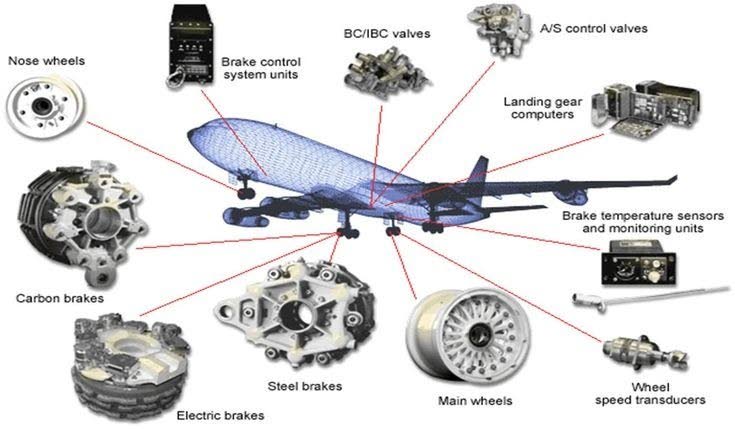
    • Landing Gear: The landing gear is a crucial part of an aircraft, supporting the entire weight of the aircraft during taxiing, takeoff, and landing. Its complex structure, including wheels, struts, and shock absorbers, must be durable and reliable.
  2. Engine Parts The engine is arguably the most critical part of an aircraft, as it provides the thrust necessary for takeoff and sustains flight. Jet engines consist of multiple parts working in tandem to create the necessary force:

    • Compressor: Compresses incoming air before it enters the combustion chamber.
    • Combustion Chamber: Where air is mixed with fuel and ignited to generate thrust.
    • Turbine: The high-speed rotating blades that capture the energy from the exhaust gases.
    • Exhaust Nozzle: Directs the high-speed exhaust gases out of the engine, creating thrust.
  3. Flight Control Systems Flight control systems are responsible for maneuvering the aircraft in three-dimensional space (up and down, left and right, and rotating). Some of the primary components of this system include:

    • Ailerons: These are hinged flight control surfaces located on the wings. They control the roll (the aircraft’s rotation around its longitudinal axis).
    • Elevators: Located on the tail section, they control the pitch (up and down movement of the aircraft).
    • Rudder: The rudder is used to control yaw (side-to-side movement) and is located on the vertical stabilizer at the tail.
    • Flaps and Slats: These devices help increase lift during takeoff and landing, allowing for safer, slower flight speeds.
  4. Avionics and Electrical Systems Modern aircraft rely heavily on avionics, which are electronic systems that control everything from navigation to communication. The primary systems in avionics include:

    • Navigation Systems: These allow the aircraft to determine its position using instruments like GPS, radar, and altimeters.
    • Communication Systems: Radios and satellite systems help maintain constant contact between the aircraft and air traffic control.
    • Flight Instruments: These instruments give the pilot real-time information about the aircraft’s speed, altitude, and direction.
    • Electrical Power Systems: Aircraft rely on complex electrical systems to power everything from lighting to the flight management systems.
  5. Fuel and Hydraulic Systems The fuel system ensures that the engine receives the proper amount of fuel throughout the flight, while the hydraulic system powers critical systems like landing gear, brakes, and flight surfaces.

    • Fuel Tanks: These store the aircraft’s fuel and are often located in the wings to optimize the aircraft’s center of gravity.
    • Hydraulic Pumps: Hydraulic systems are responsible for powering essential systems like the flight controls, landing gear, and brakes.

The Rigorous Standards of Aviation Part Manufacturing

Aviation parts are built to the highest possible standards, and their manufacturing processes are held to a level of scrutiny unmatched by other industries. The reason for this extreme attention to detail is simple: aviation safety.

  1. Regulatory Compliance: Aviation parts must comply with stringent standards and regulations set by organizations like the Federal Aviation Administration (FAA), European Union Aviation Safety Agency (EASA), and the International Civil Aviation Organization (ICAO). These regulations ensure that every component is made to endure the harsh conditions of flight and is capable of performing at peak efficiency.

  2. Quality Control: Every part in an aircraft undergoes exhaustive testing and quality control checks before it is deemed airworthy. Parts are subject to a variety of tests including fatigue testing, temperature resistance, and vibration testing. Technologies like non-destructive testing (NDT) are used to examine the internal integrity of parts to detect flaws that could jeopardize flight safety.

  3. Certification: Once aviation parts are manufactured and tested, they must undergo a certification process before being used in an aircraft. This certification process involves in-depth checks and approvals, ensuring the part meets every performance requirement necessary to be deemed safe for use in flight.

Maintenance: Ensuring Longevity and Safety

Aviation parts don’t last forever, and even the best-designed parts will degrade over time. To mitigate this, airlines follow rigorous maintenance schedules to ensure the continuous safety and reliability of aircraft. The most common maintenance inspections are:

  • A Checks: Light checks, usually performed every 400 to 600 flight hours, focusing on systems like avionics, engines, and flight control surfaces.
  • B Checks: These checks are more comprehensive and happen every 6–12 months, depending on the aircraft’s usage.
  • C Checks: These inspections are more intensive and involve detailed examination of nearly every system on the aircraft, often requiring the plane to be grounded for several weeks.
  • D Checks: These are the most thorough inspections, often referred to as “heavy maintenance,” and they involve a complete teardown and rebuild of the aircraft, ensuring that all parts are thoroughly inspected and repaired or replaced as needed.

Regular maintenance ensures that aviation parts continue to function as they should and prevents failures that could lead to accidents.

The Future of Aviation Parts: Embracing Innovation

The future of aviation parts lies in innovation, with technologies that enhance the efficiency, sustainability, and safety of air travel. Some of the most exciting developments include:

  1. Advanced Materials: The use of composite materials (like carbon fiber) and lightweight alloys is increasing in aircraft design, reducing weight and improving fuel efficiency while maintaining strength and durability.

  2. 3D Printing: Additive manufacturing, or 3D printing, is revolutionizing the production of aviation parts. By printing parts on-demand, manufacturers can reduce costs, improve lead times, and create more complex components with precision.

  3. Electric Aircraft: The demand for electric and hybrid propulsion systems is growing as the aviation industry looks to reduce carbon emissions. These technologies have the potential to transform the landscape of air travel, especially for shorter, regional flights.

  4. Smart Components: IoT-enabled parts that collect and transmit real-time data about their condition will allow airlines to monitor parts more effectively. This data will help predict failures before they happen, improving safety and reducing downtime.

Conclusion

Aviation parts are the unseen but vital components that make air travel possible. From the powerful engines that propel aircraft to the intricate avionics that guide them, every part must perform flawlessly to ensure the safety of passengers and crew. As the mro services company industry continues to innovate with new materials, technologies, and systems, aviation parts will evolve, contributing to a safer, more efficient, and sustainable future for air travel. Despite their often-overlooked role, aviation parts are truly the backbone of modern aviation, quietly working behind the scenes to make flight possible.

Platform Machinery and Its Role in Industrial ProgressPlatform Machinery and Its Role in Industrial Progress

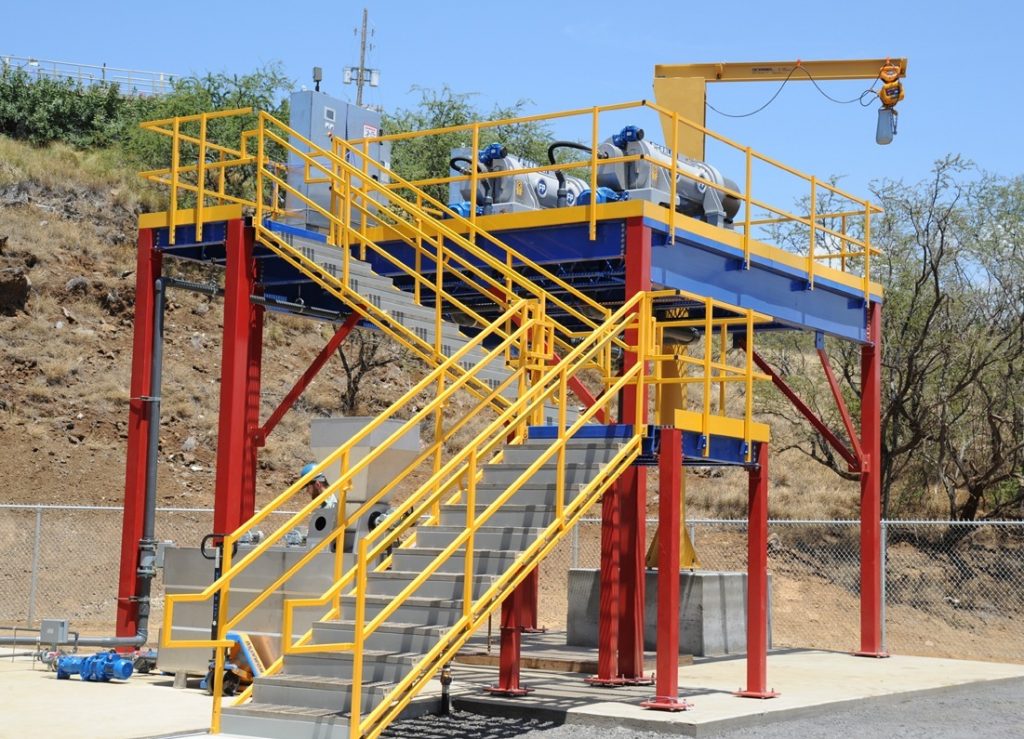
Platform machinery has become an integral part of modern industries, offering safe and reliable solutions for working at elevated heights. Unlike traditional scaffolding or ladders, these machines are designed to provide workers with secure platforms that can be easily adjusted, moved, and controlled. This not only ensures safety but also improves efficiency across various sectors such as construction, logistics, and manufacturing.

Evolution of Platform Machinery in Industry

The concept of platform 升降台車 has evolved significantly over the past few decades. Early versions relied on manual mechanisms, but today, advanced hydraulic and electric systems dominate the market. These innovations have made it possible to lift heavier loads, reach greater heights, and operate machinery with enhanced precision. The demand for smarter and more eco-friendly designs continues to grow as industries adapt to sustainability standards.

Common Uses in Construction and Warehousing

In the construction industry, platform machinery plays a critical role in enabling safe access to high-rise buildings, bridges, and other large structures. Workers rely on scissor lifts and boom lifts for painting, repairing, or installing at elevated levels. Similarly, in warehouses and logistics facilities, these machines simplify tasks like stocking, inventory management, and equipment maintenance by providing stable, movable platforms.

Safety and Efficiency in Operation

One of the greatest advantages of platform machinery is its contribution to workplace safety. By reducing the risks associated with unstable ladders or makeshift solutions, it allows workers to focus on their tasks without fear of accidents. At the same time, the efficiency it brings to projects cannot be overstated, as it saves time, minimizes labor costs, and keeps operations running smoothly.

The Future of Platform Machinery

The future of platform machinery lies in automation and digital integration. Modern models are increasingly equipped with smart sensors, remote-control capabilities, and eco-friendly power systems. As industries push toward greater efficiency and environmental responsibility, platform machinery is expected to play a leading role in shaping safe and sustainable work environments.

Unveiling the Thrills of Online Slots: A Beginner’s Guide to Fun and FortuneUnveiling the Thrills of Online Slots: A Beginner’s Guide to Fun and Fortune

Online slots have revolutionized the world of gambling, transforming the traditional casino experience into a digital adventure available to anyone with an internet connection. Whether you're new to online gaming or a seasoned player, online slots offer an exciting and accessible way to enjoy gambling from the comfort of your own home. In this guide, we’ll dive into the basics of online slots, why they are so popular, and share some helpful tips on how to make the most of your gaming experience.

What Are Online Slots?

At their core, online slots are digital versions of the slot machines you’d find in land-based casinos. They consist of spinning reels, symbols, and paylines, with the goal of landing matching symbols across these paylines to win a payout. The beauty of online slots is their simplicity—there are no complicated strategies to learn, making them perfect for both beginners and more experienced players.

Unlike traditional slot machines, online slots can be played on a wide range of devices, including desktop computers, tablets, and smartphones, giving players flexibility and convenience. The variety of games available, with various themes, bonus features, and jackpots, means there’s something for everyone.

The Appeal of Online Slots

  1. Simple and Easy to Play

Online slots are known for their straightforward gameplay. Whether you’re playing a classic 3-reel slot or a more complex 5-reel video slot, all you need to do is select your bet and press the spin button. The outcome is determined by a Random Number Generator (RNG), ensuring that each spin is independent and fair. This simplicity makes slots a perfect game for those who want quick, easy entertainment.

  1. Vibrant Themes and Visuals

One of the things that make online slots so appealing is their variety. Online slots come in all kinds of themes, from adventure and fantasy to sports, animals, or even popular movies and TV shows. The development of new slot games is constant, with software developers creating visually stunning games packed with interactive elements, animations, and sound effects that immerse players in the gameplay experience.

The vibrant visuals, along with creative storylines and bonus features, add an extra layer of excitement to the traditional spinning reels. Themes like Egyptian treasures, pirate adventures, and ancient mythology are just some of the creative ways developers capture players’ imaginations.

  1. Bonuses and Features

Most online slots offer more than just a basic spin. Many come with exciting bonus features such as free spins, wilds, scatters, multipliers, and mini-games that can increase your chances of winning. Wild symbols can replace other symbols to complete winning combinations, while scatter symbols often trigger free spins or bonus rounds, providing additional opportunities for rewards.

Bonus rounds, in particular, are a huge draw for many players. These special rounds may give players the chance to unlock larger prizes or participate in mini-games that offer extra rewards. These features make each spin feel more engaging and dynamic.

  1. Huge Jackpot Potential

Perhaps the most enticing aspect of online slots for many players is the potential for big wins, especially with progressive jackpots. Progressive slots feature a jackpot that increases with every wager placed, building up until one lucky player hits the big win. These jackpots can grow to mind-blowing amounts, sometimes reaching millions of dollars.

While winning a progressive jackpot is rare, the possibility of a life-changing win is a huge part of the appeal. Even without progressive jackpots, many online slots offer generous payouts on high-paying symbols, making the pursuit of a big win exciting in its own right.

Types of Online Slots

There are many different types of online slots, each offering unique features and gameplay mechanics. Here are some of the most popular categories:

  1. Classic Slots: These are the traditional 3-reel slots that resemble the machines found in brick-and-mortar casinos. Classic slots often feature simpler symbols, such as fruits, bars, and 7s, and typically have fewer paylines. They are perfect for players who enjoy a no-frills, nostalgic experience.

  2. Video Slots: Video slots are the most popular type of online slots. These games typically feature 5 reels and multiple paylines, offering a more modern and dynamic gaming experience. Video slots often come with advanced graphics, animations, and immersive bonus rounds, making them a great choice for players who want more excitement and variety.

  3. Progressive Slots: Progressive slots are a type of video slot that includes a jackpot that grows over time. A small percentage of each bet placed on the game contributes to the jackpot, which continues to increase until someone wins. Progressive slots can offer enormous payouts, and they are often linked across multiple casinos, increasing the jackpot pool.

  4. 3D Slots: 3D slots offer a more cinematic experience, with advanced graphics and animation that bring the game’s theme to life. These slots often feature detailed storylines and exciting visual effects, giving players an immersive, almost movie-like experience while they play.

  5. Mobile Slots: Designed specifically for mobile devices, mobile slots are optimized for smartphones and tablets. These games allow players to enjoy the same fun and exciting gameplay as their desktop counterparts but with the added benefit of being able to play on the go. Mobile slots are often compatible with both iOS and Android devices.

Tips for Playing Online Slots

While online slots are primarily games of chance, there are a few strategies you can use to enhance your gaming experience and maximize your enjoyment.

  1. Understand the RTP (Return to Player): Each online slot has an RTP percentage that indicates the expected payout over time. For example, a game with an RTP of 96% will theoretically return $96 for every $100 wagered. The higher the RTP, the better your chances of winning in the long run, so aim to play slots with a high RTP.

  2. Set a Budget: It’s important to manage your bankroll when playing slots. Set a budget for how much you’re willing to spend and stick to it. Online slots are designed for entertainment, and while the possibility of winning big is exciting, it’s crucial to play responsibly and avoid chasing losses.

  3. Start Small: Especially for beginners, it’s a good idea to start with lower stakes to get comfortable with the game. As you learn the ins and outs of different slots and their bonus features, you can gradually increase your bets.

  4. Take Advantage of Bonuses: Many online casinos offer sign-up bonuses, free spins, or no-deposit bonuses that can provide extra opportunities to win. Make sure to read the terms and conditions of these offers to make the most of them.

  5. Play for Fun: Above all, remember that online slots are a form of entertainment. While winning is great, the main goal should be to have fun. Enjoy the experience, explore different games, and don’t put too much pressure on hitting a big win.

Why Online Slots Are So Popular

There are several reasons why online slots have gained such immense popularity in recent years:

  1. Accessibility: With the ability to play on virtually any device, online slots are easily accessible to a wide audience. Whether you’re at home or on the go, you can enjoy a spin or two whenever you feel like it.

  2. Instant Gratification: The fast-paced nature of online slots provides immediate feedback, making them a perfect game for players who want quick entertainment. A win or loss is determined in a matter of seconds, keeping the excitement flowing.

  3. Entertainment Value: The combination of engaging themes, vibrant graphics, sound effects, and bonus features make online slots highly entertaining. Even if you’re not winning big, the fun gameplay keeps players coming back for more.

  4. No Experience Needed: Unlike poker or blackjack, there’s no need to learn complex rules or strategies. Online slot online are designed to be played by anyone, regardless of their experience level.

Conclusion

Online slots offer an exciting, accessible, and entertaining way to experience the thrill of gambling without leaving your home. With their simple mechanics, vibrant themes, and potential for big wins, it’s easy to see why they’ve become a go-to choice for millions of players around the world. By understanding how they work, setting a budget, and playing responsibly, you can make the most of your online slot experience. So, whether you're in the mood for a quick spin or a chance at a massive jackpot, online slots provide endless fun and opportunity!