
As people grow older, their healthcare needs often become more complicated. Many elderly individuals experience changes in mobility, memory, physical strength, and general health. Some may develop long-term medical conditions that require regular attention, while others need assistance with everyday activities to maintain their independence. Monitoring their health consistently is essential for preventing complications and ensuring a comfortable quality of life. This is where Home Nursing Services can make a meaningful difference by providing professional healthcare support in a familiar home environment.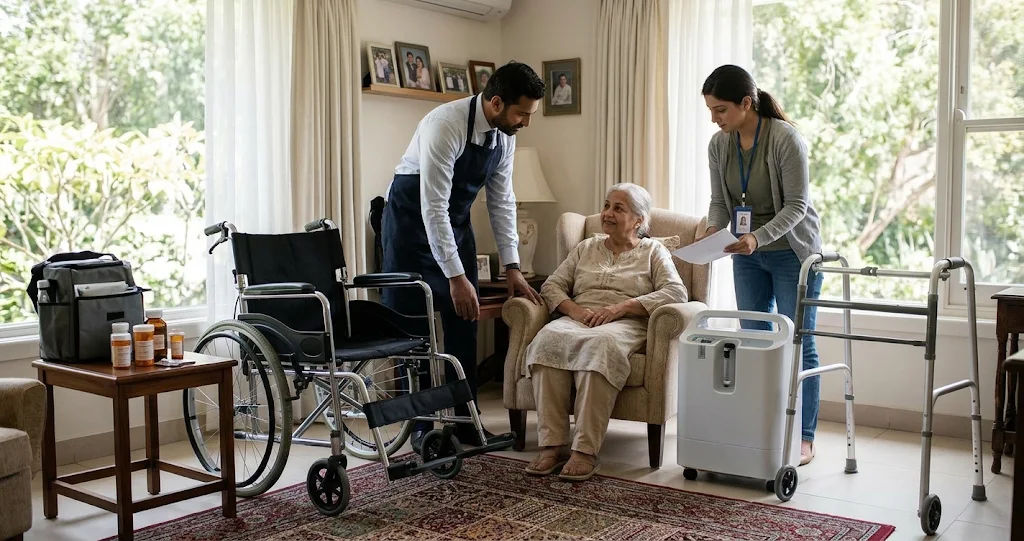
Elderly patients often feel more comfortable receiving care at home rather than visiting hospitals or healthcare facilities frequently. A professional nurse can observe changes in their physical condition, monitor vital signs, assist with prescribed medications, and communicate important health concerns to family members and doctors. Regular monitoring also helps identify potential problems before they become serious.
But how effective is home-based nursing when it comes to monitoring elderly patients? Can nurses manage ongoing health conditions, recognize warning signs, and provide reliable medical supervision? Understanding the responsibilities and benefits of professional nursing care can help families make informed decisions about their elderly loved ones.
Why Is Health Monitoring Important for Elderly Patients?
Health monitoring becomes increasingly important as people age because the body may become less capable of recovering quickly from illnesses and injuries. Older adults can experience several health challenges that require consistent observation.
Some conditions develop gradually, making them difficult for family members to recognize during everyday interactions. Regular monitoring allows healthcare professionals to identify unusual changes and recommend appropriate medical attention.
Identifying Health Problems Early
Early identification is one of the most important advantages of regular health monitoring. Elderly individuals may experience symptoms such as unusual tiredness, dizziness, reduced appetite, swelling, or changes in sleeping patterns.
These symptoms might appear minor initially but could indicate an underlying medical problem.
A professional nurse can observe these changes, document symptoms, and inform the patient's doctor when necessary. Early communication helps healthcare providers investigate concerns before they develop into more serious complications.
Managing Existing Medical Conditions
Many elderly patients live with chronic conditions such as diabetes, hypertension, arthritis, and cardiovascular diseases.
These conditions often require regular monitoring and consistent treatment routines. Nurses can help patients follow their prescribed care plans and observe whether their health remains stable.
For example, a patient with diabetes may require regular blood glucose monitoring. Similarly, someone with hypertension may need periodic blood pressure checks.
Consistent observation helps families understand whether their loved one's condition is improving, remaining stable, or requiring additional medical attention.
Preventing Unnecessary Hospital Visits
Frequent hospital visits can become physically exhausting for elderly individuals, particularly those with limited mobility.
Home-based monitoring allows many routine healthcare activities to take place without requiring unnecessary travel.
However, home nursing is not a replacement for emergency treatment or hospital care. Nurses must arrange appropriate medical assistance whenever symptoms indicate a serious health concern.
How Do Home Nursing Services Monitor Elderly Patients?
Home Nursing Services nurses use several methods to monitor elderly patients, depending on their medical conditions, healthcare requirements, and doctors' instructions.
Monitoring can involve physical observations, medical measurements, medication supervision, and regular communication with family members.
Checking Vital Signs Regularly
Vital signs provide important information about a person's general health. Nurses may measure and record several essential indicators.
These commonly include:
-
Blood pressure: Helps identify unusually high or low blood pressure.
-
Heart rate: Measures how frequently the heart beats.
-
Body temperature: Helps identify possible fever or infection.
-
Respiratory rate: Measures breathing frequency.
-
Oxygen saturation: Helps assess the amount of oxygen carried in the blood.
The frequency of these checks depends on the patient's condition and care plan.
For someone recovering from an illness, measurements might be required more frequently than for an elderly person who is generally healthy.
Nurses compare recorded results with previous readings and report concerning changes to the responsible healthcare professional.
Monitoring Blood Sugar Levels
Diabetes is relatively common among older adults and requires careful management.
Nurses can check blood glucose levels using an appropriate glucose monitoring device. They may also record readings and help patients follow their prescribed medication and meal schedules.
Monitoring is particularly important because elderly patients may not always recognize the symptoms of low or high blood sugar.
A nurse can observe signs such as sweating, confusion, unusual weakness, excessive thirst, or frequent urination.
When readings fall outside the patient's prescribed limits, the nurse should follow the agreed clinical instructions and contact the appropriate healthcare provider.
Observing Physical and Mental Changes
Health monitoring involves more than checking numbers on medical equipment.
Nurses also observe changes in a patient's appearance, behaviour, communication, appetite, and ability to complete everyday activities.
For example, an elderly individual who suddenly becomes confused or unusually sleepy may require urgent medical assessment.
Changes in walking ability, balance, or coordination can also indicate an increased risk of falls.
These observations help nurses identify concerns that might otherwise go unnoticed.
What Health Conditions Can Nurses Monitor at Home?
Home-based nursing can support elderly patients with different medical conditions. The level of supervision depends on the patient's needs and the qualifications of the healthcare professional.
Diabetes
Diabetes requires ongoing attention to blood glucose levels, nutrition, medication schedules, and general health.
Nurses can help patients follow their prescribed monitoring routines and maintain accurate records.
They may also observe the condition of the feet and skin, as diabetes can increase the risk of infections and slow wound healing.
Any unusual wounds, swelling, or signs of infection should be reported promptly.
High Blood Pressure
Hypertension is another common condition among elderly individuals.
Regular blood pressure measurements help healthcare professionals understand whether treatment is working as expected.
A nurse can maintain a record of readings and identify unusual changes that require medical review.
Patients should continue taking medication according to their doctor's instructions rather than changing doses based on individual readings.
Heart Conditions
Older adults with heart-related conditions may need regular observation of their general physical condition.
Nurses can monitor pulse rate, blood pressure, breathing patterns, and other indicators included in the patient's care plan.
They may also observe symptoms such as unusual fatigue, breathlessness, and swelling in the legs.
Sudden chest pain, severe breathing difficulty, fainting, or other emergency symptoms require immediate medical assistance.
Recovery After Surgery
Some elderly patients require additional support after surgical procedures.
A home nurse can monitor recovery, inspect wounds according to clinical instructions, assist with prescribed treatments, and observe signs of infection.
Nurses can also support safe movement and help patients follow their rehabilitation instructions.
This assistance can make the recovery period more manageable for patients and their families.
Dementia and Memory-Related Conditions
Elderly individuals experiencing dementia or other cognitive difficulties may require continuous observation and structured daily routines.
Nurses can monitor changes in behaviour, sleep, eating habits, and communication.
They can also help maintain a safe environment and reduce common risks, such as wandering, falls, and medication mistakes.
Although nursing care can provide valuable support, dementia management should involve appropriate medical supervision and family participation.
The Role of Nurses in Medication Monitoring
Medication management is an essential part of elderly healthcare.
Older patients may take several medications for different conditions. Remembering the correct medicines, doses, and schedules can become challenging, especially when memory problems are present.
Professional nurses can help reduce medication-related risks.
Supporting Medication Schedules
Nurses can organize medication routines according to the doctor's instructions.
They may use medication charts, reminders, or other approved systems to ensure that prescribed medicines are taken at the appropriate times.
They can also record administered doses when this is part of their assigned responsibilities.
Observing Possible Side Effects
Some medicines may cause dizziness, nausea, weakness, confusion, or changes in appetite.
Elderly individuals can be particularly vulnerable to medication-related side effects.
A nurse can observe unusual symptoms and report them to the prescribing doctor.
Medication should never be stopped, increased, or reduced without appropriate medical instructions.
Preventing Medication Errors
Medication errors can occur when patients forget doses, accidentally take medicines twice, or confuse different prescriptions.
A structured nursing routine helps reduce these risks.
Nurses can also check whether the medication list matches the latest instructions from the patient's healthcare provider.
This is particularly helpful for elderly patients who receive prescriptions from multiple specialists.
Can Home Nursing Services Provide Continuous Monitoring?
Yes, professional nursing arrangements can include different levels of monitoring, depending on the patient's needs and the availability of qualified staff.
Families can select an appropriate schedule after discussing the patient's condition with a healthcare provider.
Part-Time Nursing Visits
Some elderly patients only need occasional professional assistance.
A nurse may visit once or several times during the week to check vital signs, assist with prescribed treatments, and review general health.
This arrangement can work well for individuals who remain relatively independent but require periodic medical supervision.
Daily Nursing Care
Daily visits provide more frequent observation.
A nurse can check the patient's condition, assist with medication routines, and monitor changes in mobility, appetite, and physical comfort.
Daily care may be suitable for individuals managing chronic illnesses or recovering from medical procedures.
Full-Time Nursing Assistance
Some elderly patients require extended supervision because of limited mobility, complex medical needs, or significant difficulties with everyday activities.
Full-time nursing arrangements can provide more consistent support throughout the day or night, depending on the agreed service.
Families should clarify whether the arrangement includes overnight coverage, relief staff, and emergency procedures.
It is also important to distinguish between continuous nursing supervision and occasional visits. The two arrangements offer different levels of observation.
How Do Nurses Keep Families Informed?
Family communication is an important part of elderly patient monitoring.
Relatives often want to understand whether their loved ones are comfortable, following their treatment plans, and experiencing any changes in health.
Professional nursing care can improve communication through structured reporting.
Maintaining Daily Health Records
Nurses may maintain written or digital records containing important patient information.
These records can include:
-
Blood pressure readings.
-
Blood glucose measurements.
-
Temperature and oxygen saturation.
-
Medication administration records.
-
Food and fluid intake.
-
Sleep patterns.
-
Changes in mobility.
-
Symptoms and unusual observations.
Accurate documentation helps doctors and family members understand the patient's condition over time.
Reporting Unusual Symptoms
If a nurse notices concerning changes, the appropriate family contact and healthcare professional should be informed.
For example, a sudden decrease in appetite combined with weakness might require further investigation.
Clear communication helps families make timely decisions about medical appointments and additional care.
Coordinating With Doctors
Home nurses can support communication between patients, relatives, and doctors.
They may share documented measurements, explain observed symptoms, and follow updated care instructions.
However, nurses should work within their professional scope. Diagnoses and treatment changes must come from appropriately qualified healthcare professionals.
How Technology Supports Elderly Patient Monitoring
Modern healthcare technology has made home-based monitoring more convenient.
Many devices allow nurses and families to collect useful health information without requiring frequent hospital visits.
Digital Blood Pressure Monitors
Digital blood pressure monitors make routine measurements easier.
They can provide quick readings that nurses record for comparison over time.
Using the correct cuff size and following proper measurement procedures are important for obtaining reliable results.
Blood Glucose Monitoring Devices
Glucose meters help nurses monitor blood sugar levels in elderly patients with diabetes.
Some modern devices can store previous readings, making it easier to review patterns and share information with healthcare professionals.
Continuous glucose monitoring systems may also be suitable for certain patients when recommended by their doctors.
Pulse Oximeters
Pulse oximeters measure oxygen saturation and pulse rate.
They can be useful for patients with respiratory or certain cardiovascular conditions.
However, readings must be interpreted alongside symptoms and clinical information. A normal-looking number does not always mean that a patient is medically stable.
Digital Health Records
Digital documentation systems can help organize patient information.
Depending on the service, nurses may use electronic records to track measurements, medication schedules, and changes in health.
Families should ask how these records are stored, who can access them, and how patient privacy is protected.
Benefits of Home Nursing for Elderly Patients
Home-based healthcare offers several advantages, particularly for older individuals who prefer familiar surroundings.
Comfort and Familiarity
Remaining at home can help elderly patients feel more relaxed.
They can continue following familiar routines while receiving professional healthcare assistance.
A comfortable environment may also reduce the stress associated with frequent healthcare visits.
Personalized Attention
Home nursing allows care to focus on one patient's individual needs.
Unlike busy healthcare facilities, a nurse working in a private home can give attention to the patient's daily routine, mobility challenges, and personal preferences.
This can make health monitoring more consistent and meaningful.
Better Family Involvement
Family members can participate in discussions about treatment schedules, health observations, and daily care arrangements.
They can also learn basic techniques for supporting elderly relatives safely.
This shared approach helps families feel more involved in healthcare decisions.
Reduced Travel Difficulties
Transportation can be challenging for elderly individuals with joint problems, weakness, or limited mobility.
Home-based monitoring reduces the need for travel for routine nursing activities.
Medical appointments and hospital visits may still be necessary when recommended by the doctor.
How to Choose Reliable Home Nursing Services for Elderly Care
Choosing the right nursing provider is important because elderly patients often depend on caregivers for sensitive medical and personal support.
Families should evaluate the provider carefully before making a decision.
Check Nursing Qualifications
Ask about the professional qualifications, registration, training, and experience of the nurses.
The staff should have suitable skills for the patient's medical condition.
For example, an elderly patient requiring wound care or specialized monitoring may need a nurse with relevant clinical experience.
Understand the Available Services
Not every provider offers the same level of care.
Some focus on basic assistance, while others provide qualified nursing procedures and medical monitoring.
Families should confirm whether the required services are included in the arrangement.
Ask About Emergency Procedures
A reliable provider should have clear procedures for responding to medical emergencies.
Ask how nurses contact doctors, notify family members, and arrange emergency transportation when necessary.
This information is particularly important for patients with serious or unstable medical conditions.
Discuss Costs and Working Hours
Nursing arrangements can differ in cost depending on staff qualifications, working hours, equipment requirements, and the patient's condition.
Families should request a clear explanation of charges before beginning care.
They should also confirm arrangements for staff replacement, holidays, and unexpected absences.
Common Challenges of Monitoring Elderly Patients at Home
Although home nursing provides valuable support, families should understand that certain challenges may arise.
Changes in Medical Conditions
An elderly patient's health can change unexpectedly.
A condition that appears stable during one visit may become worse later.
Families should understand that routine monitoring cannot guarantee that every complication will be detected immediately.
Limited Medical Equipment
A home environment may not contain the advanced diagnostic equipment available in hospitals.
Some conditions require laboratory testing, imaging, specialist examinations, or emergency treatment.
In these situations, home nursing must work alongside hospital-based healthcare.
Communication Difficulties
Some elderly individuals have hearing difficulties, memory problems, or speech-related challenges.
Nurses may need additional time and appropriate communication techniques to understand their needs.
Family involvement can help provide useful background information.
Maintaining Patient Privacy
Health monitoring involves collecting personal medical information.
Families should ensure that patient records are handled confidentially and that elderly individuals are treated with dignity.
Patients should understand their care arrangements and provide consent whenever possible.
When Should an Elderly Patient Receive Immediate Medical Attention?
Home monitoring is useful, but certain symptoms should never be managed through routine nursing observation alone.
Immediate emergency assessment may be necessary when an elderly patient experiences:
-
Sudden chest pain or severe breathing difficulty.
-
Signs of a stroke, including facial drooping or sudden weakness.
-
Loss of consciousness or a serious seizure.
-
Severe bleeding or a major injury.
-
Sudden confusion accompanied by significant deterioration.
-
Serious allergic reactions.
-
Rapid worsening of an existing medical condition.
In Pakistan, families should know how to contact local emergency services and identify the nearest appropriate hospital.
A home nurse should follow emergency protocols rather than delaying treatment while attempting routine measurements.
Conclusion
Home-based healthcare can play an important role in protecting the health and well-being of elderly individuals. Regular monitoring helps families understand their loved ones' medical conditions, recognize unusual symptoms, and maintain appropriate treatment routines. With professional support, many older adults can receive essential healthcare assistance without leaving the comfort of their homes.
Home Nursing Services can monitor elderly patients through vital sign measurements, blood glucose checks, medication supervision, physical observations, and careful documentation. Nurses can also monitor recovery after surgery, support patients with chronic conditions, and observe changes in mobility, appetite, sleep, and mental well-being. These activities help identify potential concerns and provide useful information to doctors.
However, effective monitoring requires qualified nursing staff, an appropriate care plan, accurate health records, and clear communication between nurses, families, and healthcare providers. Families should also understand that home nursing does not replace specialist consultations, hospital treatment, or emergency medical care.
Choosing a reliable nursing provider is therefore essential. Before arranging care, families should check professional qualifications, available services, working hours, emergency procedures, and patient privacy policies. They should also discuss the elderly patient's specific needs with a doctor to determine the appropriate level of supervision.
Ultimately, professional home nursing can help elderly individuals maintain comfort, dignity, and independence while receiving consistent healthcare support. When combined with family involvement and proper medical guidance, it creates a more organized approach to elderly care and helps families feel more confident about their loved ones' health and safety.