
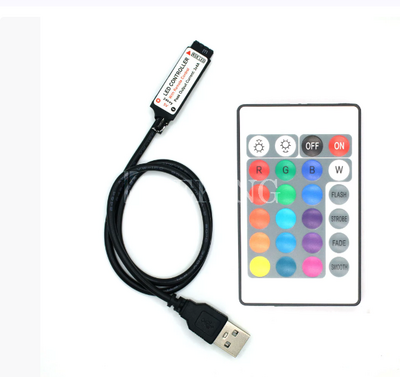
LED lights have become the go-to lighting choice for homes due to their energy efficiency, long lifespan, and versatility. With an increasing variety of LED options on the market, selecting the right ones for your home can be overwhelming. In this article, we’ll explore the factors to consider when choosing LED lights, their benefits, and how to ensure you make an informed decision that suits your needs and enhances your home’s lighting flexible led strip lights factory.
Understanding LED Lighting Technology
LED (Light Emitting Diode) lights are a modern, energy-efficient alternative to traditional incandescent and fluorescent bulbs. Unlike older light sources, LEDs produce light by passing current through a semiconductor, creating minimal heat. This technology results in lights that consume less power while providing the same, if not better, brightness compared to traditional options. Additionally, LEDs are available in various colors and designs, allowing you to customize the ambiance in your home.
Another key advantage of LED lights is their impressive longevity. While incandescent bulbs typically last around 1,000 hours and compact fluorescents about 8,000 hours, LEDs can last anywhere from 15,000 to 50,000 hours. This longevity reduces the frequency of replacements, saving both money and effort in the long run.
Energy Efficiency and Cost Savings
Energy efficiency is one of the biggest reasons homeowners are switching to LED lighting. LEDs use up to 75% less energy than traditional incandescent bulbs. This translates into noticeable savings on your electricity bills, especially if you use lighting extensively. Despite the initial higher cost of LEDs, the energy savings over time make them a more economical choice. For example, replacing a single incandescent bulb with an LED bulb can save you up to $80 over the bulb's lifetime, making them a smart financial investment for your home.
In addition to their energy savings, LEDs are more environmentally friendly. They contain no toxic chemicals and are 100% recyclable, unlike fluorescent bulbs which contain mercury. This makes LEDs a sustainable option for homeowners looking to reduce their environmental footprint.
Factors to Consider When Choosing LED Lights
When selecting LED lights for your home, consider factors such as brightness, color temperature, and bulb type. The brightness of LED lights is measured in lumens, not watts. Higher lumens mean brighter light, and lower lumens indicate softer lighting. Choose the brightness based on the room’s purpose; for instance, you may want brighter lights in kitchens and workspaces, while living rooms and bedrooms benefit from softer, warmer lights.
Color temperature is another critical factor. LED lights come in various color temperatures, ranging from cool white (5000K and above) to warm white (2700K). The cooler the light, the more bluish it appears, which is ideal for task lighting or spaces like offices. On the other hand, warmer light creates a cozy, relaxed atmosphere, perfect for living areas or bedrooms. Be sure to pick a color temperature that matches the mood and functionality of each room in your home.
Choosing the Right LED Bulb Type
LED bulbs come in several different styles and types, including standard, dimmable, and smart LEDs. Standard LED bulbs are suitable for most general lighting needs, while dimmable LEDs give you greater control over the lighting levels in your space. If you prefer convenience and automation, smart LEDs are an excellent choice. These bulbs can be controlled via apps or voice commands, allowing you to adjust the brightness, color, and even set schedules. Smart LEDs are particularly beneficial in areas like living rooms and kitchens, where lighting needs may change throughout the day.
Additionally, LED strip lights and recessed lighting are popular choices for accent lighting. LED strips can be placed along shelves, under cabinets, or along ceilings to create a soft, even glow. Recessed lighting, on the other hand, provides a clean, modern look and can be used for both general and task lighting. Both options offer unique ways to enhance your home’s aesthetics and functionality.
Maximizing the Benefits of LED Lighting in Your Home
To make the most of your LED lights, proper installation and placement are essential. Use LED lights in areas where you spend a lot of time, like kitchens and living rooms, to take full advantage of their energy efficiency. Additionally, consider using LEDs in outdoor spaces such as gardens or patios to improve visibility and security while keeping energy consumption low.
Another tip is to combine different types of LED lighting in a room for added versatility. For example, you can use LED recessed lighting for ambient light, LED strip lights for accenting, and LED task lights for work areas. By using various light sources in combination, you can create a layered lighting effect that is both functional and aesthetically pleasing.
Lastly, while LEDs are more durable than other types of bulbs, it’s still important to follow the manufacturer’s guidelines regarding temperature and placement. Ensure your LED lights are used in the right conditions, avoiding areas with excessive heat or moisture, as this can reduce their lifespan.
Conclusion
Choosing the right LED lights for your home involves understanding the different options available and considering factors like brightness, color temperature, and bulb type. With their energy efficiency, long lifespan, and environmental benefits, LED lights are a smart choice for modern homes. By making informed decisions based on your specific needs, you can create an energy-efficient, well-lit home that is both functional and visually appealing. Investing in quality LED lighting will not only save you money on electricity bills but also contribute to a more sustainable lifestyle.