
In today’s digital era, artificial intelligence is no longer just a concept of the future—it’s deeply integrated into many aspects of our daily lives.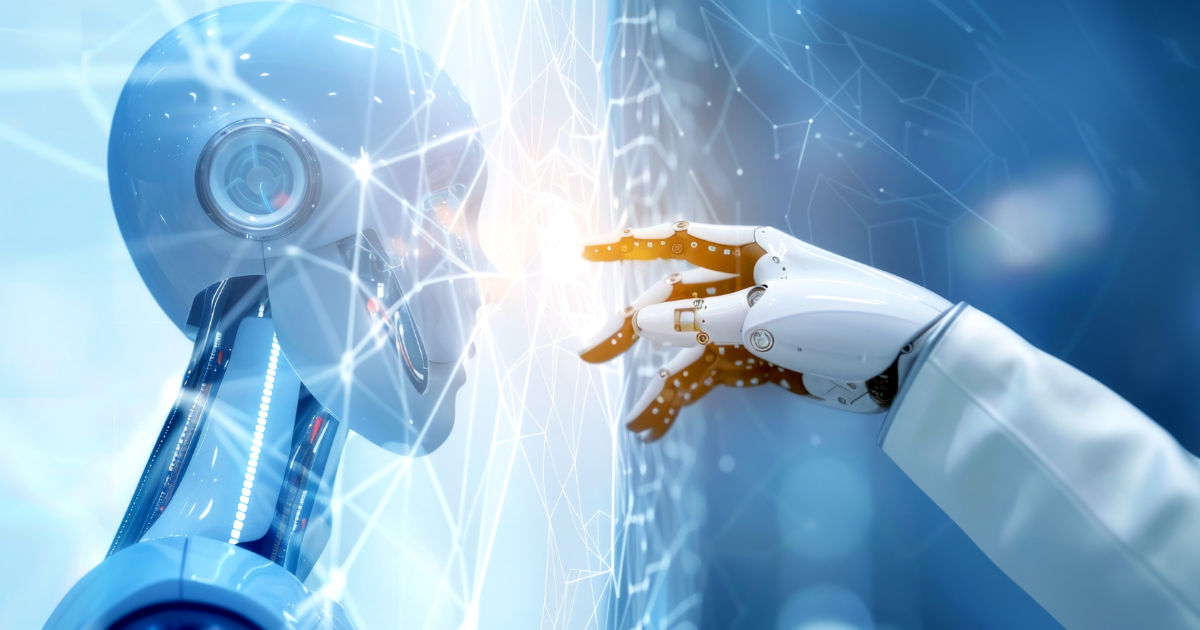
One of the emerging tools that have gained attention is the detecteur ia automatique. This technology helps identify AI-generated content, automated behaviors, or digital patterns powered by artificial intelligence.
From academic settings to corporate environments, understanding how a detecteur ia works is becoming essential.
This comprehensive guide explores everything about detecteur ia automatique, its applications, technology, and practical benefits. Whether you are a student, educator, or professional, this guide will provide you with a thorough understanding.
What is a Detecteur IA Automatique?
At its core, a detecteur ia automatique is a tool designed to identify whether a particular content, action, or digital signal originates from artificial intelligence. These detectors can analyze text, images, videos, or other digital data to determine if AI was involved in their creation.
For instance, in education, instructors use detecteurs ia to detect AI-generated essays. In corporate environments, it can help spot automated responses or content created without human oversight. The automatic aspect of these tools means that they operate with minimal human intervention, providing fast and reliable results.
How Does a Detecteur IA Work?
The underlying technology of a detecteur ia involves several key AI and machine learning principles. Here’s a simplified explanation:
-
Pattern Recognition
Detecteurs ia scan content for patterns commonly associated with AI. For example, AI-generated text often has repetitive structures or a uniform tone. -
Statistical Analysis
Advanced detectors use statistical models to analyze sentence complexity, word choice, and frequency. They compare these patterns against known AI outputs. -
Neural Networks
Many detecteurs ia leverage neural networks trained on large datasets of AI-generated and human-generated content. These networks can identify subtle differences that might escape human observation. -
Automated Scoring
Once analyzed, the detecteur ia assigns a confidence score indicating the likelihood that the content was AI-generated. High scores suggest AI involvement, while lower scores point to human creation.
Key Features of Detecteur IA Automatique
Modern detecteurs ia come with a variety of features that make them powerful and efficient tools. Some of the most notable features include:
-
Real-Time Analysis: Many detecteurs ia can evaluate content instantly, making them ideal for fast-paced environments.
-
Cross-Platform Compatibility: They can scan text, images, and even videos, depending on the software.
-
High Accuracy: By continuously learning from new AI outputs, these tools improve over time.
-
User-Friendly Interface: Most detecteurs ia are designed to be accessible, even for non-technical users.
Applications of Detecteur IA Automatique
The uses of a detecteur ia are diverse and expanding across industries. Here’s how different sectors benefit:
1. Education
Detecteurs ia are increasingly used to maintain academic integrity. Students sometimes rely on AI tools to generate essays or assignments, and educators use detecteurs ia to ensure originality. By scanning submissions, teachers can differentiate between AI-generated and human-written work.
2. Business and Corporate Use
Companies rely on AI for customer support, marketing, and content creation. Detecteurs ia can ensure that automated responses maintain quality standards. They also help prevent the circulation of AI-generated misinformation or fraudulent content.
3. Social Media Monitoring
Social media platforms are filled with automated posts and bots. A detecteur ia can analyze posts to identify automated behavior, helping platforms maintain authenticity and reduce spam.
4. Research and Journalism
In research and news reporting, originality is crucial. Detecteurs ia can assist journalists and researchers in verifying that sources are not AI-generated, maintaining credibility and trust.
5. Legal and Security Applications
In legal investigations, a detecteur ia can help identify AI-generated documents, emails, or digital evidence. It ensures that fraudulent or manipulated content is quickly flagged.
Advantages of Using Detecteur IA Automatique
Integrating a detecteur ia into workflows comes with numerous advantages:
-
Time Efficiency: Manual verification of AI content is slow. Automated detection speeds up the process.
-
Improved Accuracy: Detecteurs ia can identify subtle AI patterns that humans might miss.
-
Consistency: Unlike human reviewers, AI detectors maintain consistent analysis across large datasets.
-
Scalability: They can process large volumes of content, making them suitable for enterprises.
Challenges of Detecteur IA
While detecteurs ia are powerful, they are not without limitations:
-
False Positives: Sometimes, human-generated content may be flagged as AI.
-
Rapid AI Advancements: As AI technology evolves, detectors must constantly update to keep pace.
-
Dependency on Training Data: The effectiveness of a detecteur ia depends heavily on the quality of its training datasets.
-
Ethical Considerations: Detecting AI usage can raise privacy and ethical concerns, especially when applied without consent.
Detecteur IA for Text
Text detection is one of the most common applications of a detecteur ia. These tools analyze grammar, syntax, word usage, and stylistic patterns. Some advanced text detectors also consider semantic meaning to spot AI-generated writing.
For example, AI-generated essays often have an overly structured format and lack personal nuance. A detecteur ia can flag these subtleties, helping educators maintain fair evaluation standards.
Detecteur IA for Images and Multimedia
AI is also widely used in creating images, videos, and deepfakes. Detecteurs ia designed for multimedia perform pixel-level and metadata analysis. They can identify:
-
Unnatural lighting or textures in images
-
Repetitive or algorithmic patterns in video frames
-
Anomalies in audio signals
By detecting these irregularities, organizations can prevent misinformation and maintain digital authenticity.
Choosing the Right Detecteur IA
Selecting the most suitable detecteur ia requires considering several factors:
-
Accuracy Rate: Look for tools with proven high detection accuracy.
-
Ease of Use: Non-technical users should be able to operate it without steep learning curves.
-
Data Security: Ensure the tool respects user privacy and secures sensitive data.
-
Continuous Updates: AI is evolving rapidly, so detectors need regular updates to remain effective.
-
Support for Multiple Formats: Depending on your needs, choose a detector that handles text, images, and videos.
Best Practices for Using Detecteur IA
To maximize the effectiveness of a detecteur ia, follow these practices:
-
Use it as part of a comprehensive verification process, not the sole authority.
-
Regularly update the software to keep up with AI advancements.
-
Educate users about how detecteurs ia work and their limitations.
-
Combine detection with human judgment to reduce false positives.
-
Monitor results and adjust sensitivity settings based on the type of content being analyzed.
The Future of Detecteur IA Automatique
As AI continues to evolve, the importance of reliable detection tools will grow. Future detecteurs ia are expected to:
-
Detect AI-generated content with near-perfect accuracy
-
Integrate seamlessly into digital platforms for real-time monitoring
-
Adapt dynamically to new AI models without manual retraining
-
Expand into emerging content types like virtual reality and augmented reality
Ethical Considerations
While detecteurs ia provide valuable tools, they raise ethical questions. Privacy concerns, transparency, and the potential misuse of detection data are critical issues. Organizations must ensure:
-
Clear communication about the use of AI detection
-
Protection of user data
-
Fair policies to avoid misuse or discrimination based on AI-detection results
Real-World Examples
Some practical examples of detecteur ia in use include:
-
Universities using AI detection software to maintain academic honesty.
-
Social media platforms identifying bot accounts and fake posts.
-
Corporate compliance teams verifying the authenticity of digital communications.
-
Journalists ensuring that AI-generated reports are not mistakenly published as human-authored articles.
These examples demonstrate the wide-ranging applications and critical importance of detecteurs ia in today’s world.
Tips for Effective Implementation
-
Start Small: Begin by using detecteurs ia on high-risk or high-impact content.
-
Train Staff: Ensure users understand how to interpret detection results.
-
Combine Tools: Use multiple detection tools to improve reliability.
-
Monitor Trends: Regularly review AI detection results to adjust processes.
-
Document Policies: Create clear guidelines for AI content detection and use.
Conclusion
A detecteur ia automatique is no longer a luxury—it’s becoming a necessity. From education to corporate environments, these tools help ensure authenticity, maintain standards, and prevent misuse of AI technology. While they have limitations and raise ethical considerations, when used responsibly, detecteurs ia provide powerful insights and protections.
As AI continues to advance, the role of detecteurs ia will only grow, becoming an essential part of digital literacy and security. For anyone navigating the digital world—students, professionals, or businesses—understanding and using a detecteur ia is a step toward maintaining integrity and trust in AI-driven content.
With its ability to analyze text, images, and multimedia, detecteur ia is not just a detection tool; it is a guardian of authenticity in an increasingly AI-driven world.