
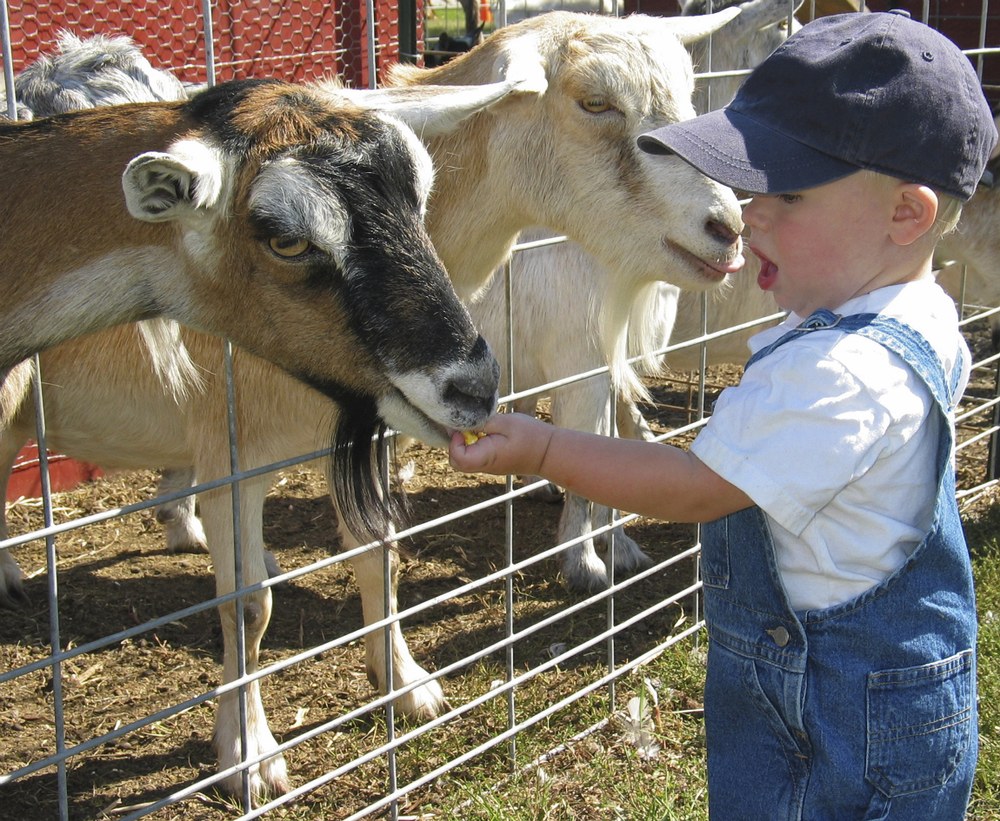
Engaging young minds in a meaningful way can sometimes be a challenge, but educational and fun animal encounters provide an exciting solution for schools and daycares. These interactive experiences allow children to see, touch, and learn about animals firsthand, turning ordinary lessons into memorable adventures. By combining education with hands-on interaction, animal encounters help foster curiosity, empathy, and a deeper understanding of the natural world, all while keeping children entertained mobile petting zoo birthday parties.
Hands-On Learning for Young Students
For schools and daycares, animal encounters offer a unique opportunity to supplement classroom learning with real-world experiences. Students can observe different species up close, learn about their habitats, diets, and behaviors, and gain a better understanding of biology and ecology. These encounters provide a tactile learning experience that engages multiple senses, helping children retain information more effectively than traditional lectures or worksheets.
For instance, a session featuring reptiles can demonstrate how snakes shed their skin or how turtles move, while farm animal encounters teach children about responsibility, care, and animal behavior. By bringing lessons to life, these encounters make science exciting and accessible, sparking curiosity and inspiring children to explore further.
Developing Empathy and Responsibility
Interacting with animals helps children develop essential social and emotional skills. Learning how to gently handle or care for animals teaches patience, respect, and empathy. Many children who experience hands-on animal encounters for the first time gain an appreciation for living creatures and understand the importance of treating animals with kindness. These lessons extend beyond the classroom, shaping compassionate behaviors that last a lifetime.
Safe and Professional Experiences
Safety is a top priority for educational animal programs. Reputable organizations provide trained handlers who supervise all interactions, ensuring that both the children and the animals remain safe at all times. Animals are carefully selected based on temperament, size, and suitability for young audiences. This allows schools and daycares to offer engaging encounters without any risk, giving teachers and caregivers peace of mind.
Handlers also provide guidance throughout the session, teaching children the correct way to interact with each animal, share interesting facts, and answer questions. This professional approach ensures that the experience is not only fun but also educational, safe, and well-organized.
Customizable Programs for Different Ages
Animal encounters can be tailored to suit different age groups and learning objectives. Daycares may focus on simple, hands-on interactions that introduce basic concepts about animals and their care, while schools can incorporate themed programs that align with curriculum topics such as life cycles, habitats, and ecosystems. Customizable programs ensure that every child benefits from an age-appropriate, engaging, and memorable learning experience.
Conclusion
Educational and fun animal encounters for schools and daycares provide a unique way to combine learning with hands-on engagement. These experiences not only teach children about biology, ecology, and animal behavior but also promote empathy, responsibility, and curiosity. With professional handlers, safe interactions, and customizable programs, animal encounters create lasting memories that enhance classroom learning and inspire young minds. By bringing animals directly to students, schools and daycares can make education both enjoyable and impactful, turning each encounter into a valuable opportunity for growth and discovery.