
In the digital age, businesses are increasingly turning to messaging platforms to connect with their customers. Among these platforms, WhatsApp has emerged as a powerful tool for communication.
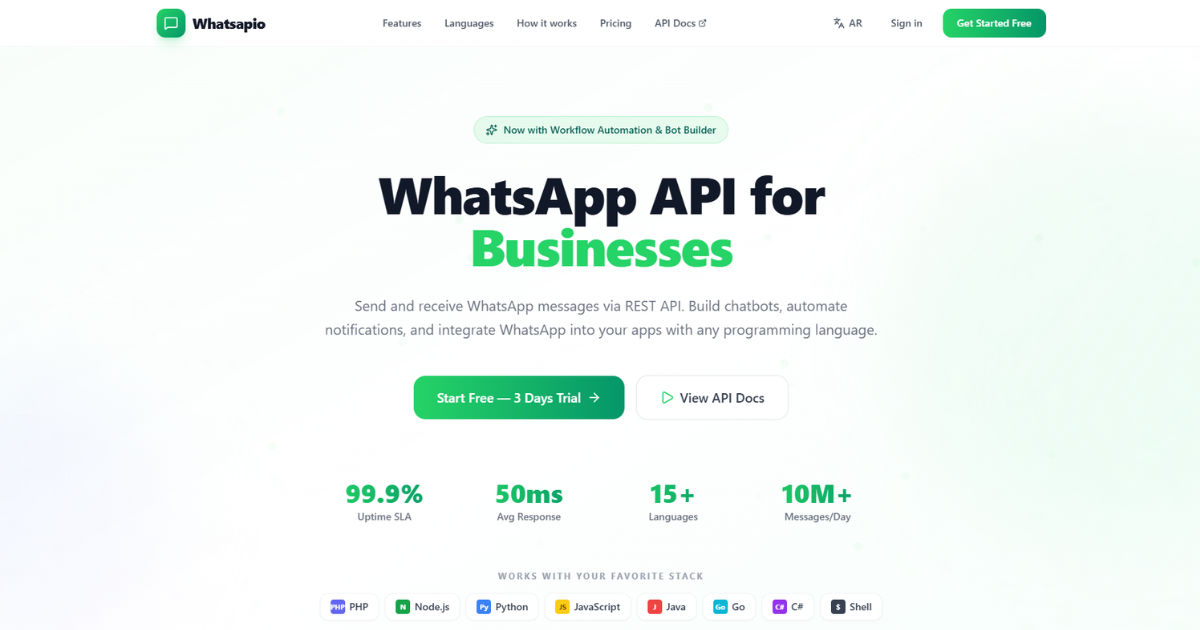 But sending messages manually to hundreds or thousands of customers is not practical. This is where a whatsapp automation tool comes in. By integrating chatbots with WhatsApp, businesses can automate interactions, save time, and improve customer engagement.
This guide will explain step by step how chatbots connect with WhatsApp automation tools, their benefits, setup process, and tips for using them effectively.
What is a WhatsApp Automation Tool?
A whatsapp automation tool is software that allows businesses to automate their messaging on WhatsApp. Instead of sending messages manually, the tool can send bulk messages, auto-respond to customer inquiries, schedule messages, and even handle customer support conversations.
The core idea is to save time and improve communication efficiency. These tools are especially useful for businesses with large customer bases or for e-commerce stores that need to provide instant responses.
Key Features of WhatsApp Automation Tools
- Auto-Responses: Instantly reply to customer inquiries based on keywords.
- Scheduled Messages: Send promotions, reminders, or updates at specific times.
- Bulk Messaging: Reach hundreds or thousands of customers at once.
- Analytics & Reporting: Track customer interactions and engagement metrics.
- Integration with CRM: Sync messages and customer data with business systems.
A whatsapp automation tool essentially acts as a bridge between the business and the customer, enabling real-time and automated interactions.
Understanding Chatbots
Before we dive into the connection process, it’s important to understand what chatbots are. A chatbot is an AI-powered program designed to simulate human conversation. It can interact with users, answer questions, and even perform tasks based on commands.
Chatbots can be rule-based, where they follow predefined scripts, or AI-based, where they use natural language processing (NLP) to understand complex queries.
Types of Chatbots
- Rule-Based Chatbots: Follow a set of rules and respond to specific commands. Best for simple FAQs.
- AI-Powered Chatbots: Use AI and NLP to understand user intent. Can handle complex conversations.
- Hybrid Chatbots: Combine rule-based logic with AI capabilities for flexible responses.
For WhatsApp automation, most businesses use AI-powered chatbots because they provide personalized and human-like interactions, making customers feel valued.
How Chatbots Connect with WhatsApp Automation Tools
Connecting a chatbot with a whatsapp automation tool involves several steps. The process is designed to ensure that the chatbot can send and receive messages automatically, understand user queries, and respond effectively.
Step 1: Choose a WhatsApp Automation Tool
The first step is selecting a reliable whatsapp automation tool. Popular options include Twilio, WATI, and 360Dialog. When choosing, consider:
- API access for integration with chatbots.
- Ease of use.
- Support for bulk messaging and automation.
- Analytics features.
- Customer support.
Step 2: Obtain WhatsApp Business API Access
A chatbot cannot directly connect to WhatsApp unless the business has access to the WhatsApp Business API. The API allows secure, automated communication between your system (chatbot) and WhatsApp.
Steps to obtain API access:
- Register your business with WhatsApp.
- Verify your phone number and business details.
- Obtain the API key from the whatsapp automation tool.
Once your API access is approved, your chatbot can start interacting with users.
Step 3: Integrate Chatbot with WhatsApp Automation Tool
After obtaining API access, the next step is integrating your chatbot with the whatsapp automation tool. This usually involves:
- Connecting the chatbot platform to the automation tool via API.
- Configuring webhook URLs so messages from WhatsApp are sent to the chatbot.
- Mapping responses and triggers for automated replies.
For example, when a customer sends "Hello" on WhatsApp, the webhook sends this message to the chatbot. The chatbot then processes the message and sends an appropriate response through the whatsapp automation tool.
Step 4: Define Chatbot Workflows
Once integrated, you need to create chatbot workflows. A workflow is a sequence of actions the chatbot takes based on user input.
Examples:
- If a user asks about product availability, the chatbot checks the database and replies.
- If a user requests a booking, the chatbot guides them through the steps.
- For FAQs, the chatbot automatically replies with pre-set answers.
Workflows can be as simple or complex as needed. The key is ensuring smooth, natural interaction that mimics human conversation.
Step 5: Testing and Optimization
Before launching, test the chatbot thoroughly:
- Check if it responds correctly to various inputs.
- Ensure the whatsapp automation tool sends messages promptly.
- Test workflows for errors or delays.
After deployment, monitor interactions and optimize responses. Use analytics to understand which messages engage customers the most.
Benefits of Connecting Chatbots with WhatsApp Automation Tools
Integrating chatbots with a whatsapp automation tool offers multiple benefits:
1. Instant Customer Support
Customers no longer have to wait for a human agent. The chatbot provides instant replies, resolving simple queries and freeing up support teams for complex issues.
2. Cost Efficiency
Automating messaging reduces the need for large customer support teams. Businesses can manage high volumes of conversations with minimal human intervention.
3. Personalization
AI-powered chatbots can analyze user data and personalize responses. For example, greeting users by their name or suggesting products based on past purchases.
4. Scalability
Whether you have 100 customers or 10,000, a whatsapp automation tool allows you to scale interactions without additional resources.
5. Increased Engagement
Automated reminders, promotions, and follow-ups keep customers engaged and boost conversion rates.
Popular Use Cases
Here are some common ways businesses use chatbots with WhatsApp automation tools:
- E-Commerce: Automated order updates, delivery notifications, and product recommendations.
- Customer Service: Handling FAQs, booking appointments, and troubleshooting issues.
- Marketing: Sending promotional messages, newsletters, and special offers.
- Education: Automated reminders for classes, quizzes, or assignment submissions.
- Healthcare: Appointment reminders, prescription alerts, and patient support.
Each use case leverages the speed and convenience of WhatsApp combined with the intelligence of chatbots.
Best Practices for Integration
To maximize efficiency, follow these best practices:
1. Keep Conversations Natural
Even though the chatbot is automated, conversations should feel human. Avoid robotic responses and use friendly language.
2. Use Quick Replies
Quick reply buttons allow users to respond with a single tap. This simplifies interactions and guides conversations.
3. Limit Message Frequency
Avoid overwhelming customers with too many messages. Stick to essential updates and information.
4. Monitor Performance
Use analytics from the whatsapp automation tool to track engagement, response times, and satisfaction. Optimize based on these insights.
5. Ensure Compliance
WhatsApp has strict rules about automated messaging. Always get user consent before sending promotional messages and respect opt-out requests.
Challenges and How to Overcome Them
While integrating chatbots with WhatsApp automation tools is beneficial, there are some challenges:
Challenge 1: API Limitations
WhatsApp API has limits on message types and frequency. To overcome this, plan automated sequences carefully and prioritize important messages.
Challenge 2: Handling Complex Queries
AI chatbots may struggle with highly specific or unusual queries. Solution: create a handover mechanism to transfer such queries to human agents.
Challenge 3: Maintaining Engagement
Automated responses can feel impersonal. Overcome this by using personalization and segmenting messages based on user preferences.
Challenge 4: Data Privacy
Customer data must be protected. Use encryption and comply with privacy regulations to maintain trust.
Future of Chatbots with WhatsApp Automation Tools
The integration of AI chatbots with WhatsApp is evolving rapidly. Here are some future trends:
- Advanced AI Understanding: Chatbots will become better at understanding context and emotions.
- Voice Integration: Chatbots may handle voice messages, expanding accessibility.
- Seamless Omnichannel Experience: Integration across multiple platforms for consistent customer experience.
- Predictive Analytics: Chatbots will predict user needs based on previous interactions, offering proactive solutions.
- Enhanced Personalization: More intelligent recommendations, tailored messages, and dynamic responses.
The future promises faster, smarter, and more human-like automated interactions on WhatsApp.
Conclusion
Connecting a chatbot with a whatsapp automation tool is no longer optional for businesses aiming to provide fast and efficient customer service. The integration streamlines communication, enhances engagement, and provides a scalable solution to manage interactions. By choosing the right automation tool, obtaining API access, integrating your chatbot, defining workflows, and continuously optimizing responses, businesses can unlock the full potential of WhatsApp for customer engagement.
Automation does not mean impersonal interactions. With thoughtful design and AI-powered intelligence, chatbots can deliver personalized, friendly, and effective communication, improving customer satisfaction and loyalty.
Whether for e-commerce, education, healthcare, or marketing, the combination of chatbots and WhatsApp automation tools is a game-changer. Businesses that embrace this technology will enjoy faster responses, increased efficiency, and higher customer engagement, ultimately gaining a competitive edge in today’s fast-paced digital world.